

Eating fresh from our garden all season is my favorite thing to love about summer! But when you grow more food than you can use fresh, it's time to preserve it! If you grow a huge garden and love canning, that's great, but this recipe collection is for all the smaller gardens in between. These 30 Ways to Preserve Your Garden Harvest Without Canning rely heavily on freezing. There's something here for whatever you're growing!

Canning can feel like a big task for some people, including me! All the rules, the work, the process, sometimes it's just more than you want to do! This garden preserving recipe collection is for every sized garden in between!
From tomatoes to cucumbers, zucchini to green beans, these creative ways to preserve your harvest will get your garden ready for winter!
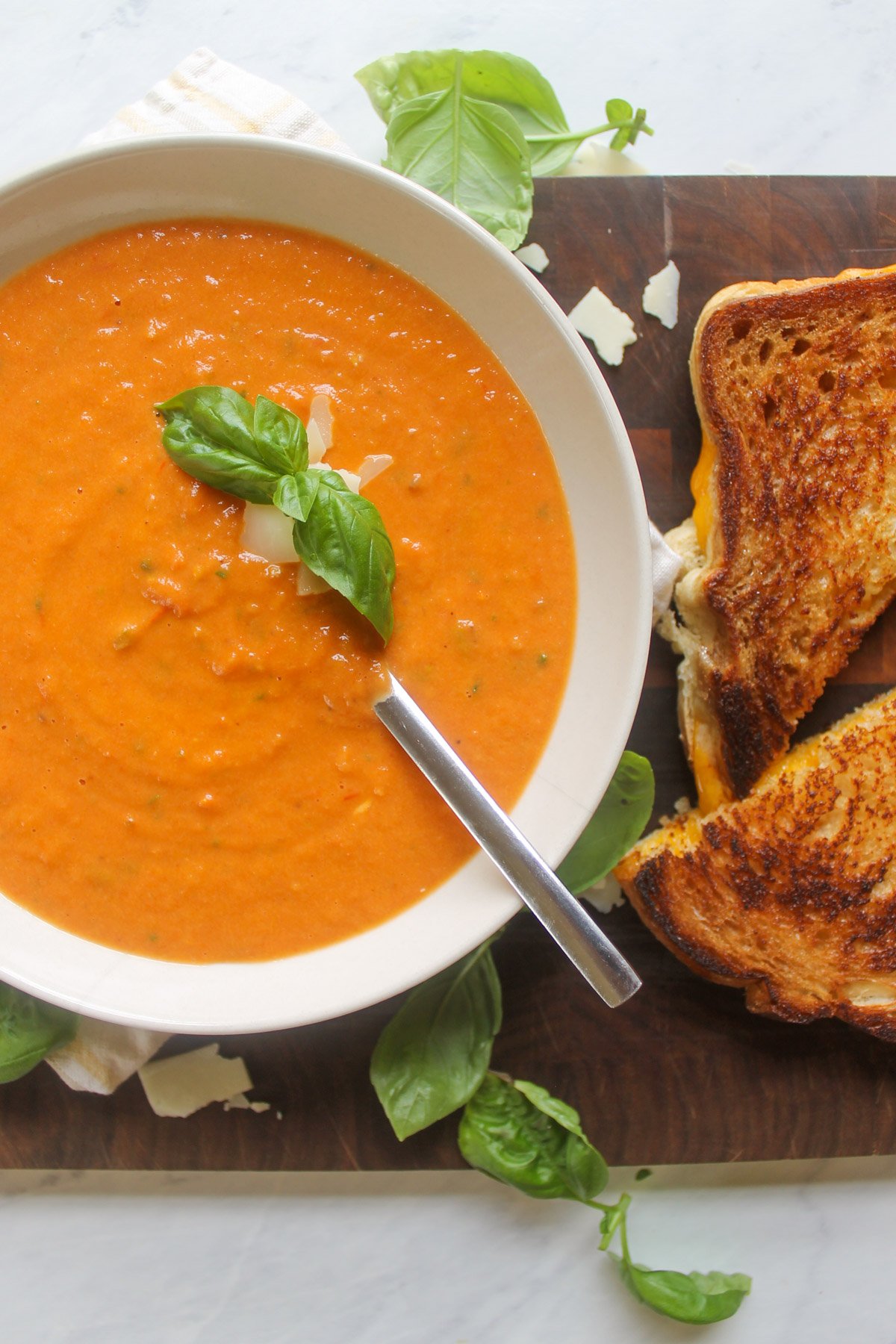
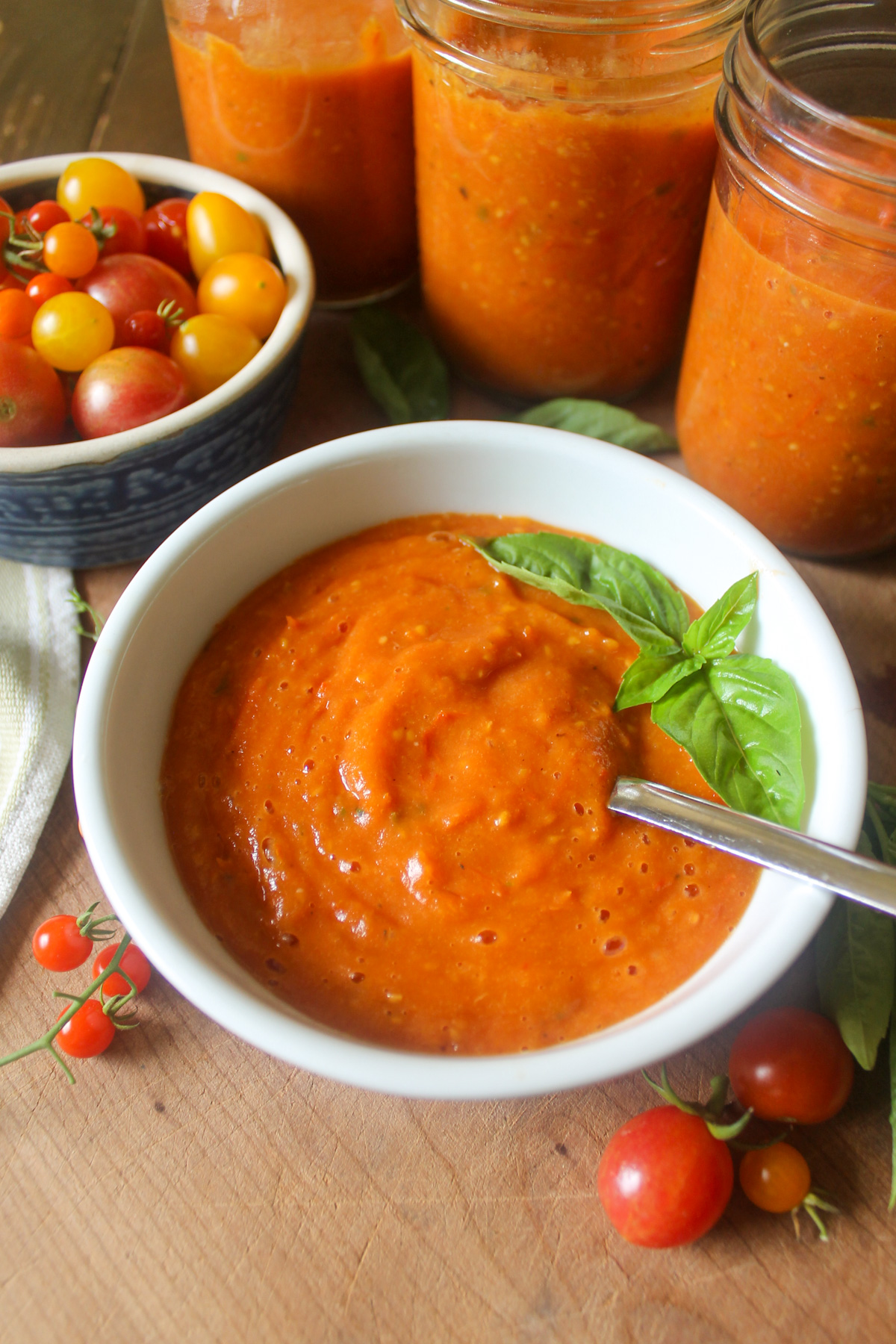
- Two Main Ways to Preserve - Most of these recipes can be frozen and are basically in 2 categories. You can either preserve the ingredient, like freezing green beans, or make the ingredient into the finished product and then freeze that, like roasted tomato soup.
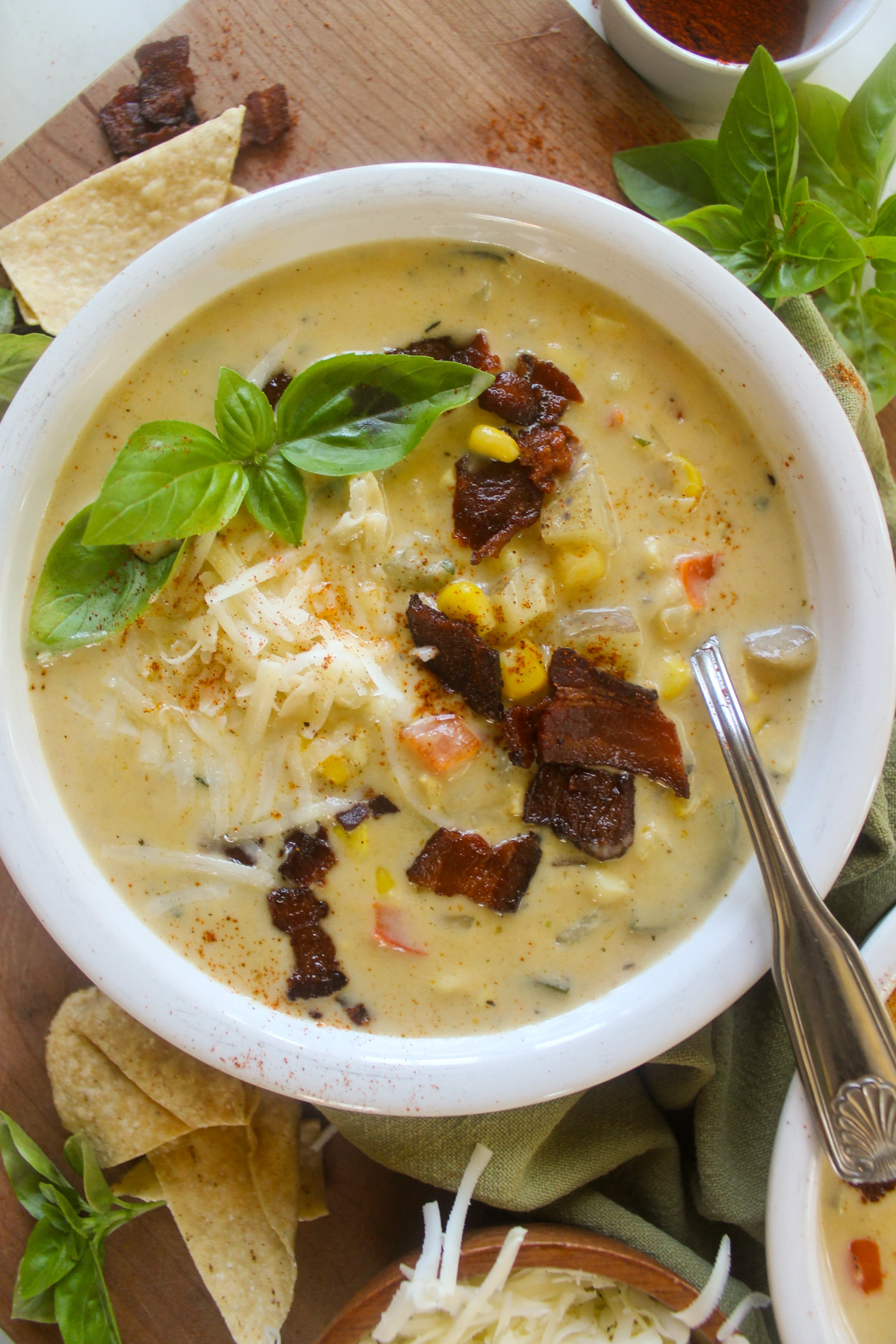
- Eat Fresh then Frozen - A lot of these recipes are meals to eat fresh first, and then freeze what's leftover.
- Not Quite Preserving - Some of my favorite garden recipes didn't make the list because they aren't really preserving. But, if you have an abundance of produce, try this Garden Harvest Pasta, Cucumber Feta Salad, this Green Bean White Bean Salad or this Blackened Chicken Chopped Salad! You can also browse lots of garden produce recipes with my 50 Farmer's Market Recipes!
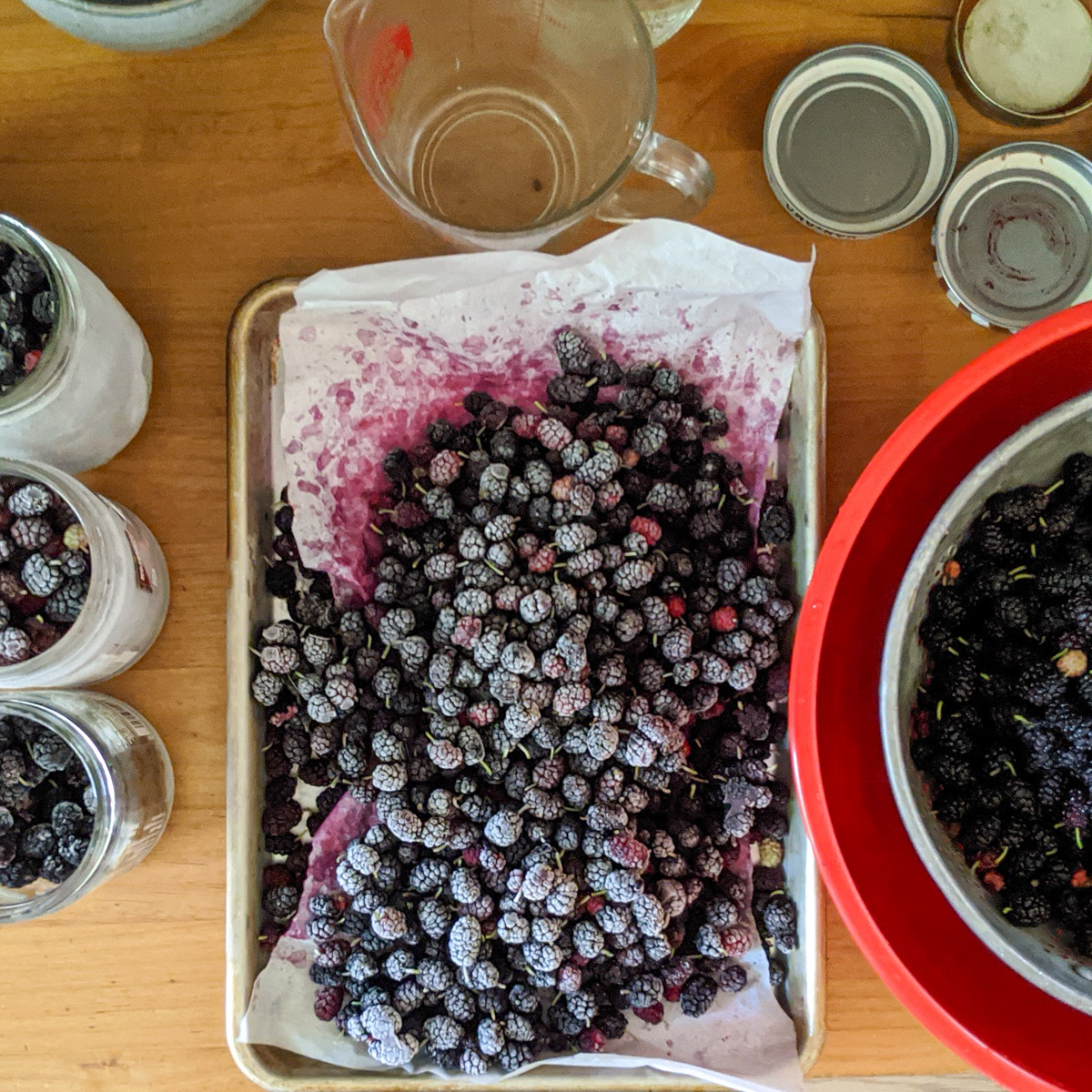
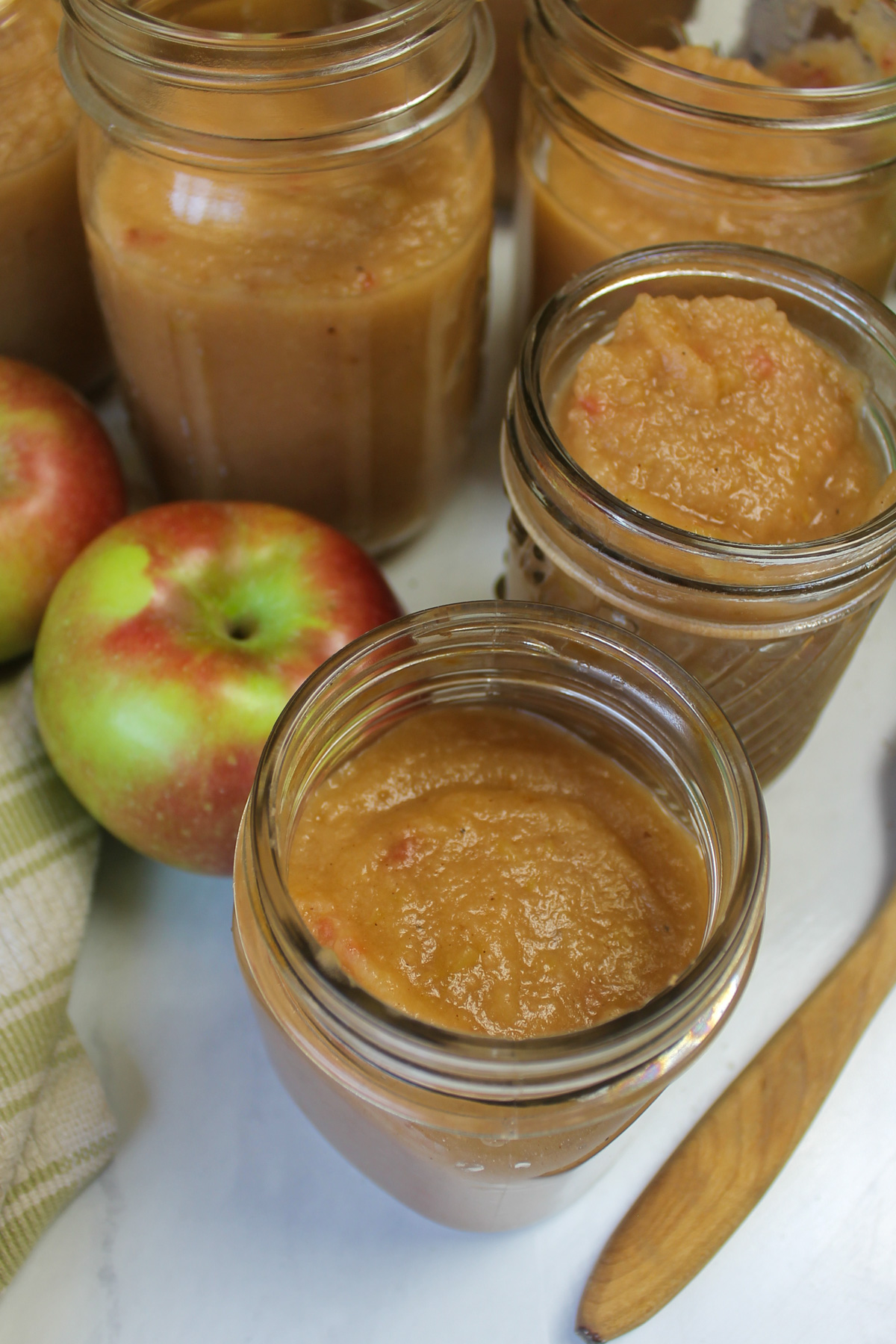
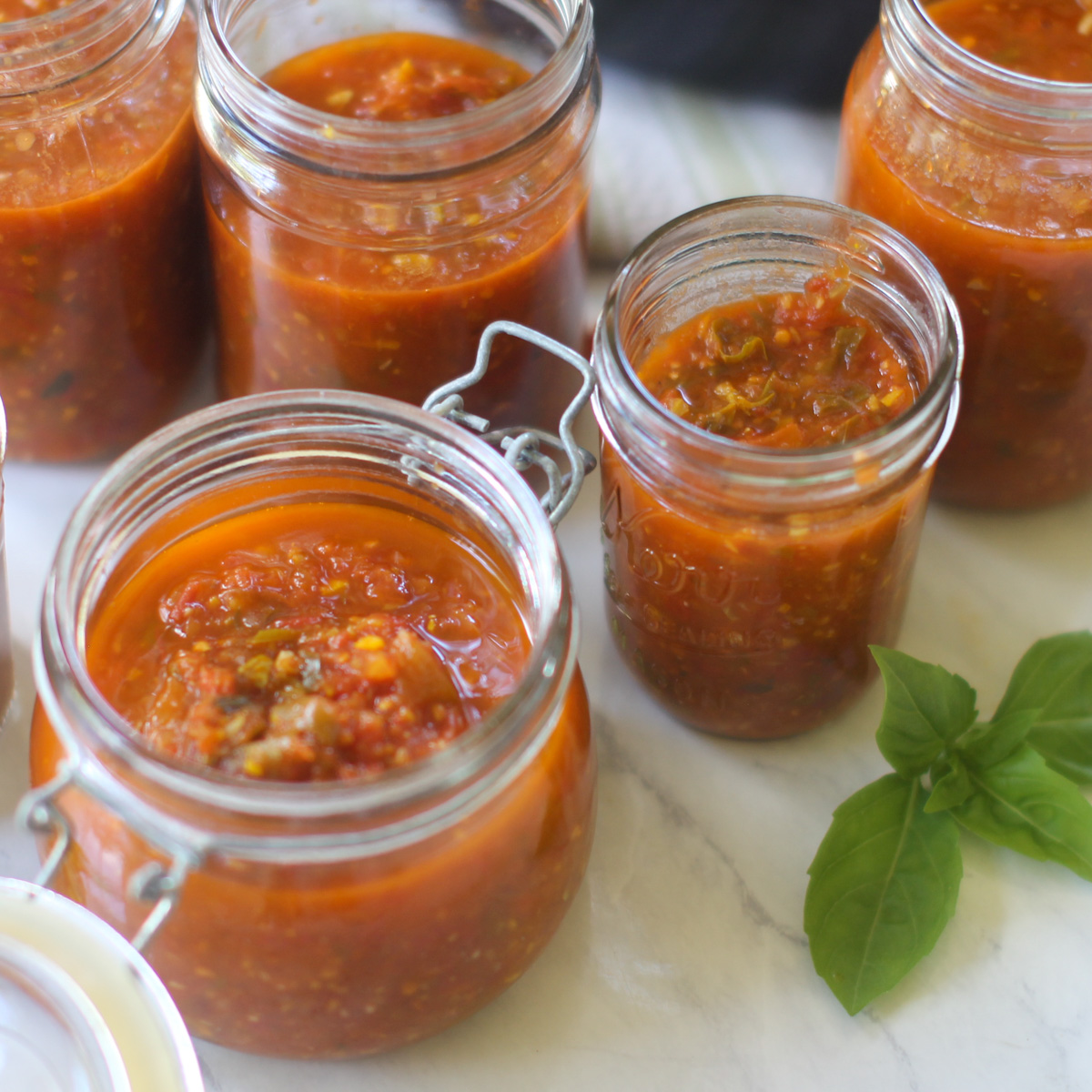
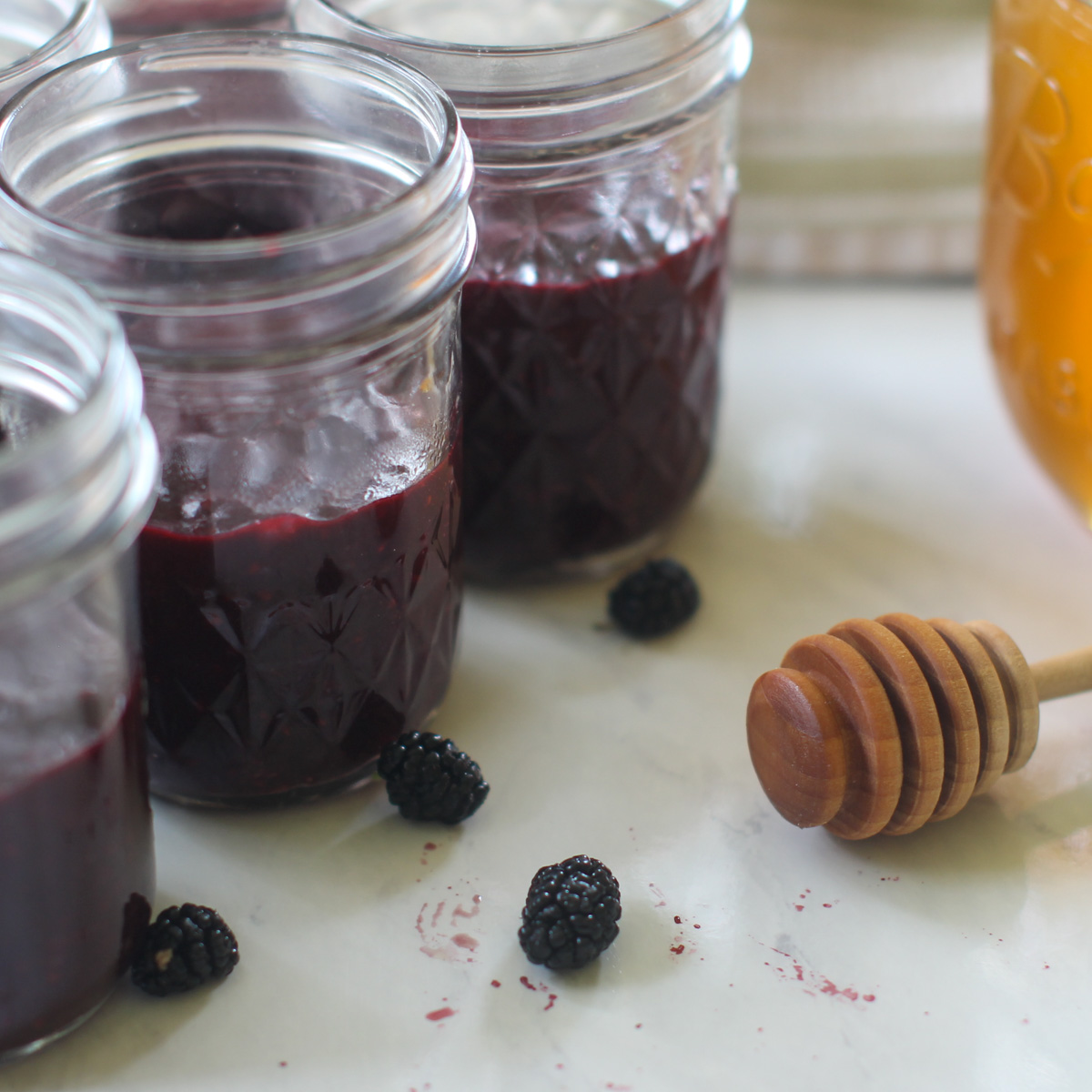
- Glass Jars - I love freezing in glass jars! By late fall my freezer is stashed with little jars of tomato sauce, soup, pesto, applesauce, Homemade Chicken Stock, jam, berries, and green beans! Because we're not canning, you can use any jars you have, even reused jars from store-bought foods. All winter long I thaw those jars to bring my garden harvests back to life!
Tips and Precautions for Freezing in Glass Jars
When freezing in glass jars, you need to take a few precautions so you don't crack your jars!
- Only fill the jars ¾'s full so the food has room to expand as it freezes. This is especially for sauces and soups. If you don't give it room, the jar will crack.
- Glass doesn't like sudden temperature changes. So don't add boiling hot food to cold jars, let it cool a bit first. Then move the jars to the fridge to cool completely before transferring to the freezer.
- Thawing - Thaw frozen jars overnight in the fridge. You can also use the defrost setting on a microwave or leave it on your counter a few hours to speed things up. Do Not run a frozen jar under hot water or put it in a bowl of hot water, it can easily crack. Remember, glass doesn't like sudden temperature changes!
- If you do Crack a Jar - It happens occasionally, don't attempt to save the food, just throw it out.
- Label - Use masking tape and a marker to label and date the contents of your jars.
- Size - Freeze foods in different sized jars, depending on how you will use them. Pint jars are the perfect size for sauce for pizza night or a single serving of soup for lunch!
- Plastic Free - You can save and wash jars from the things you buy, like peanut butter, jam, or coconut oil! Glass jars are better for freezing than plastic containers and are great for reusing!
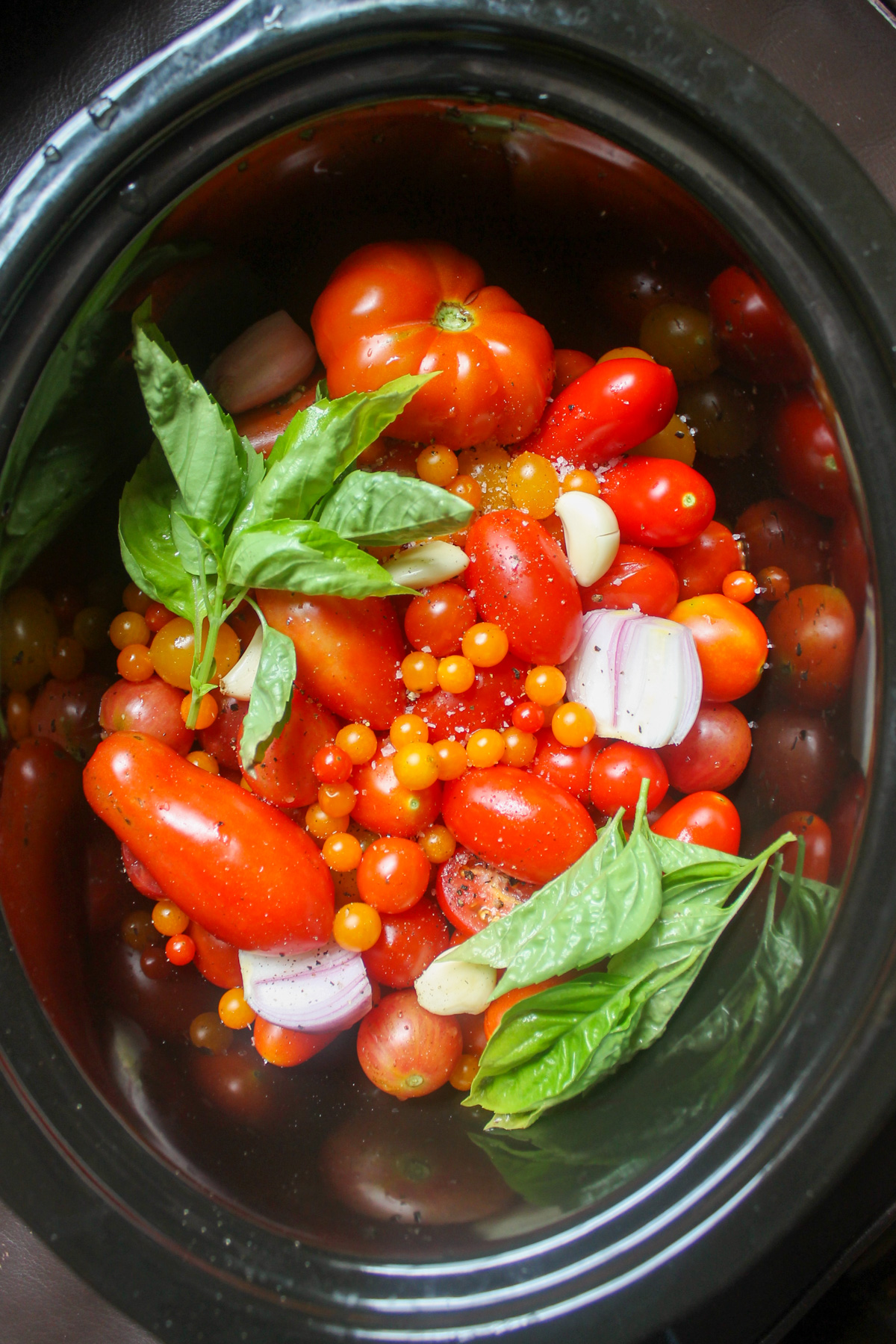
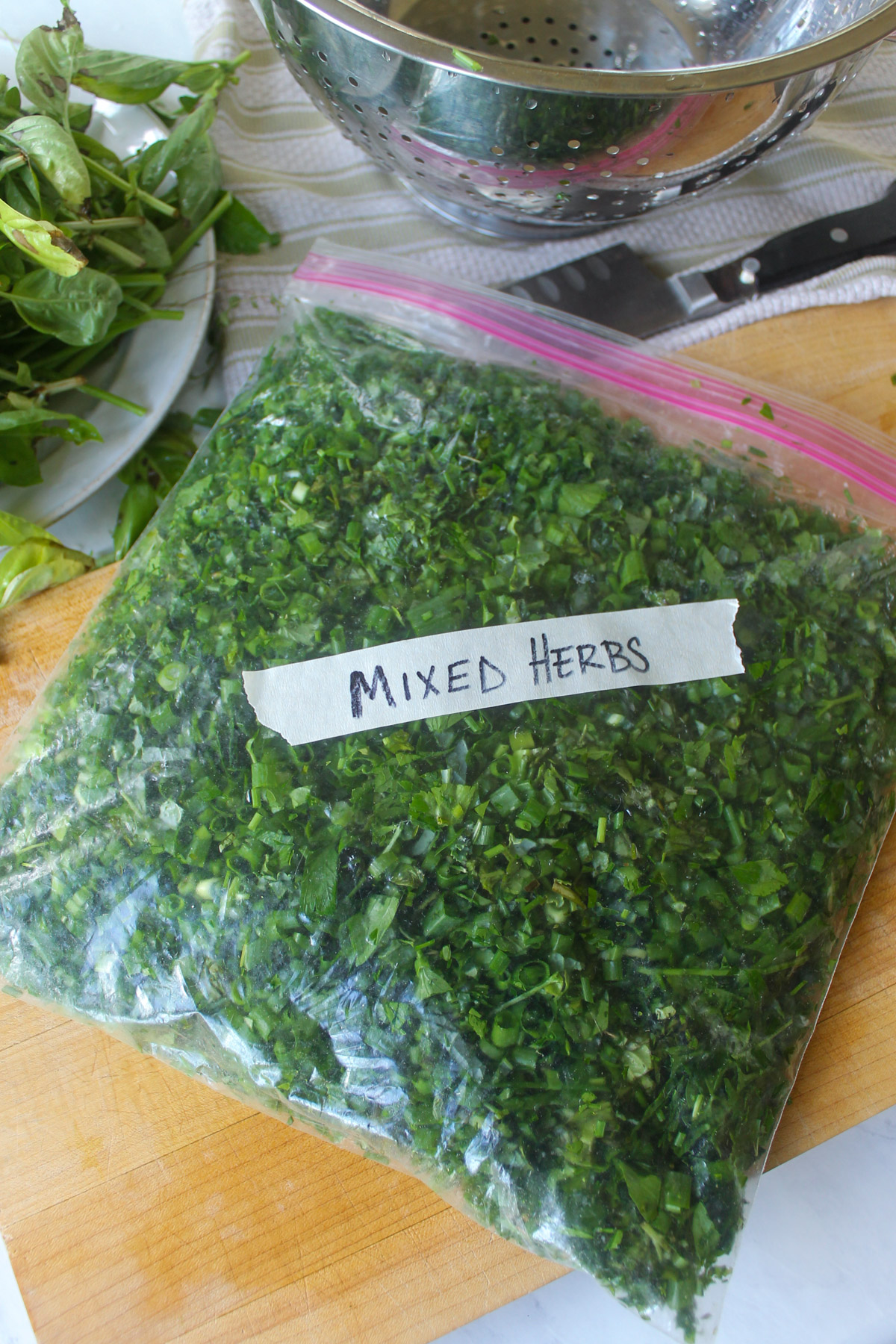
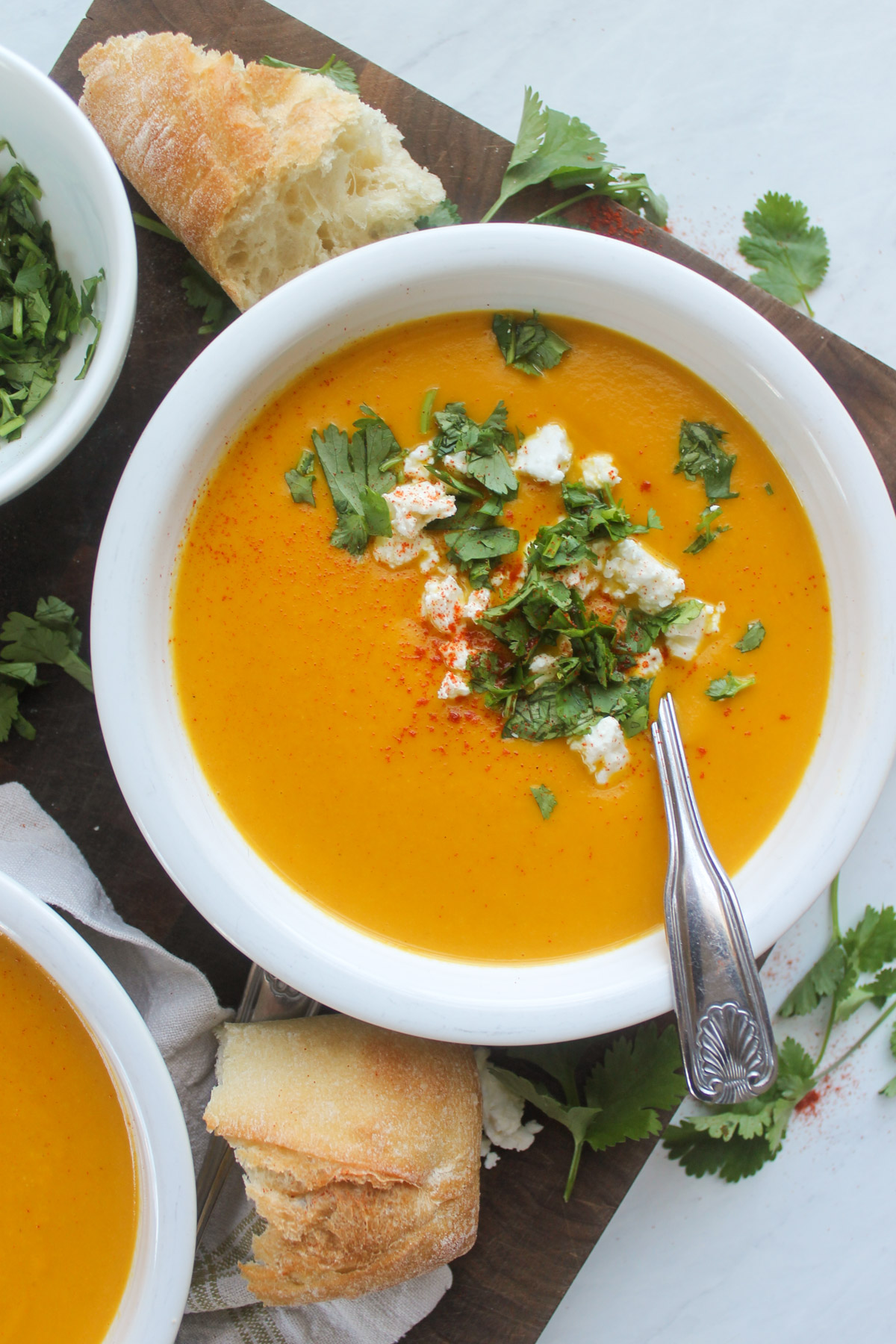
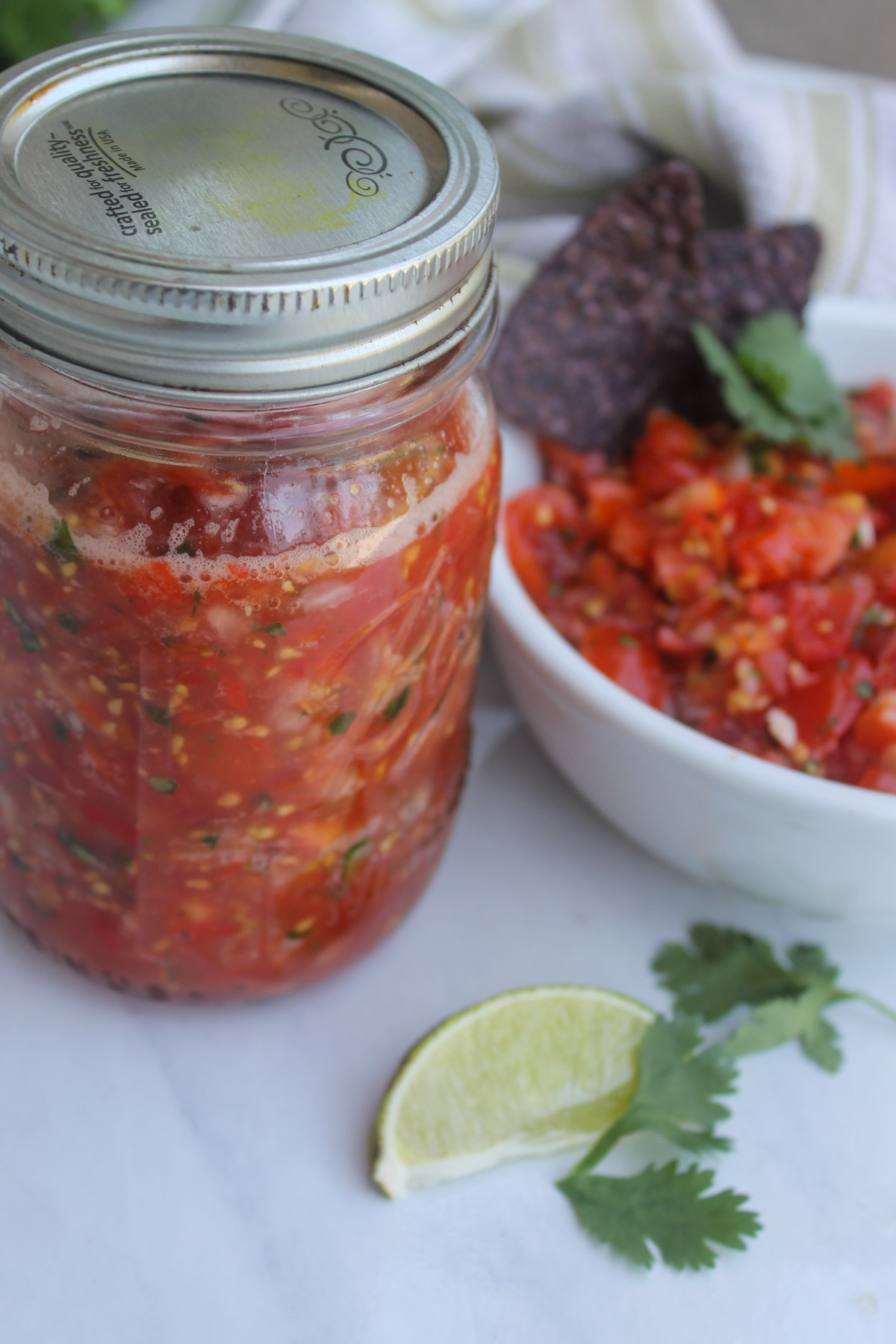
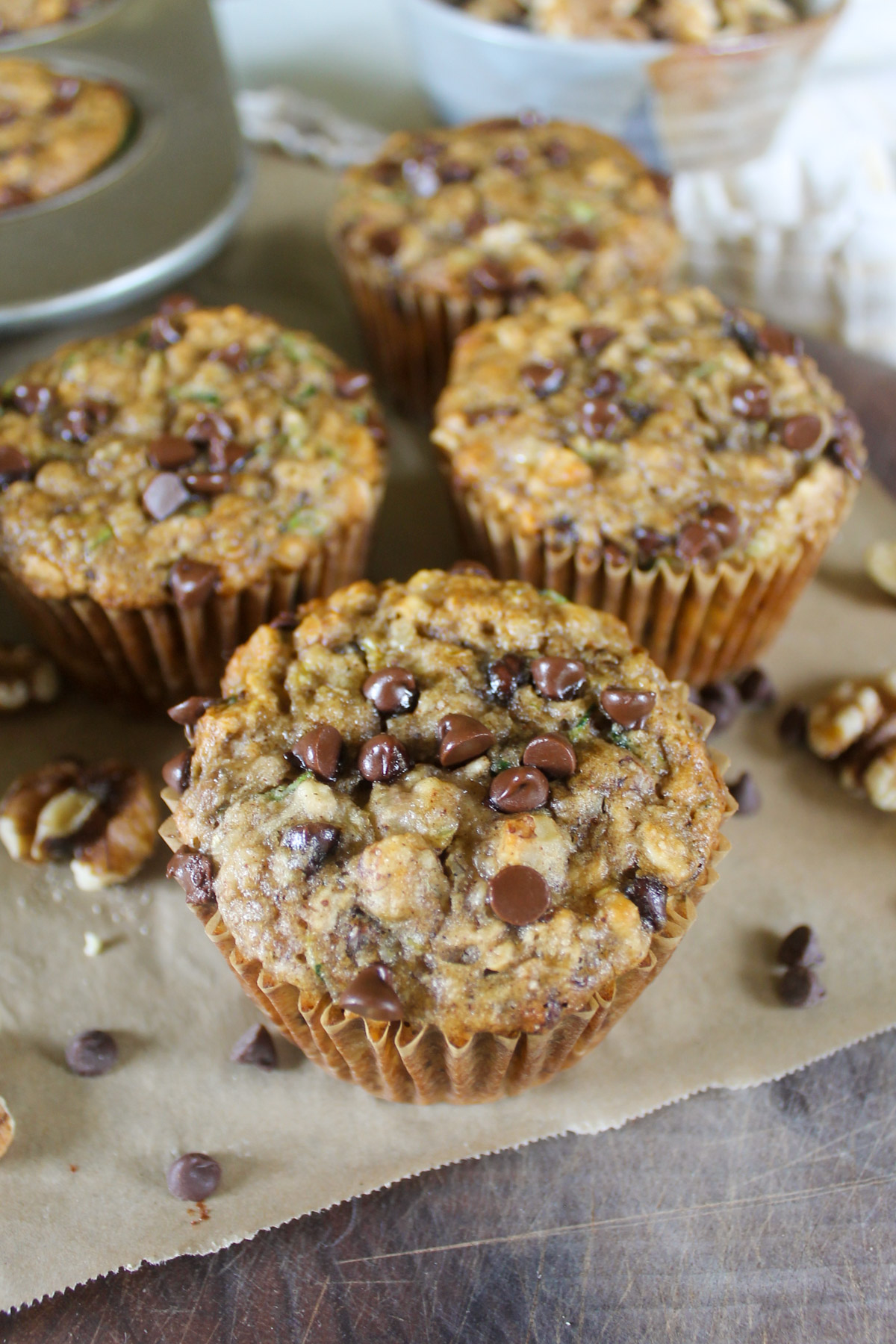
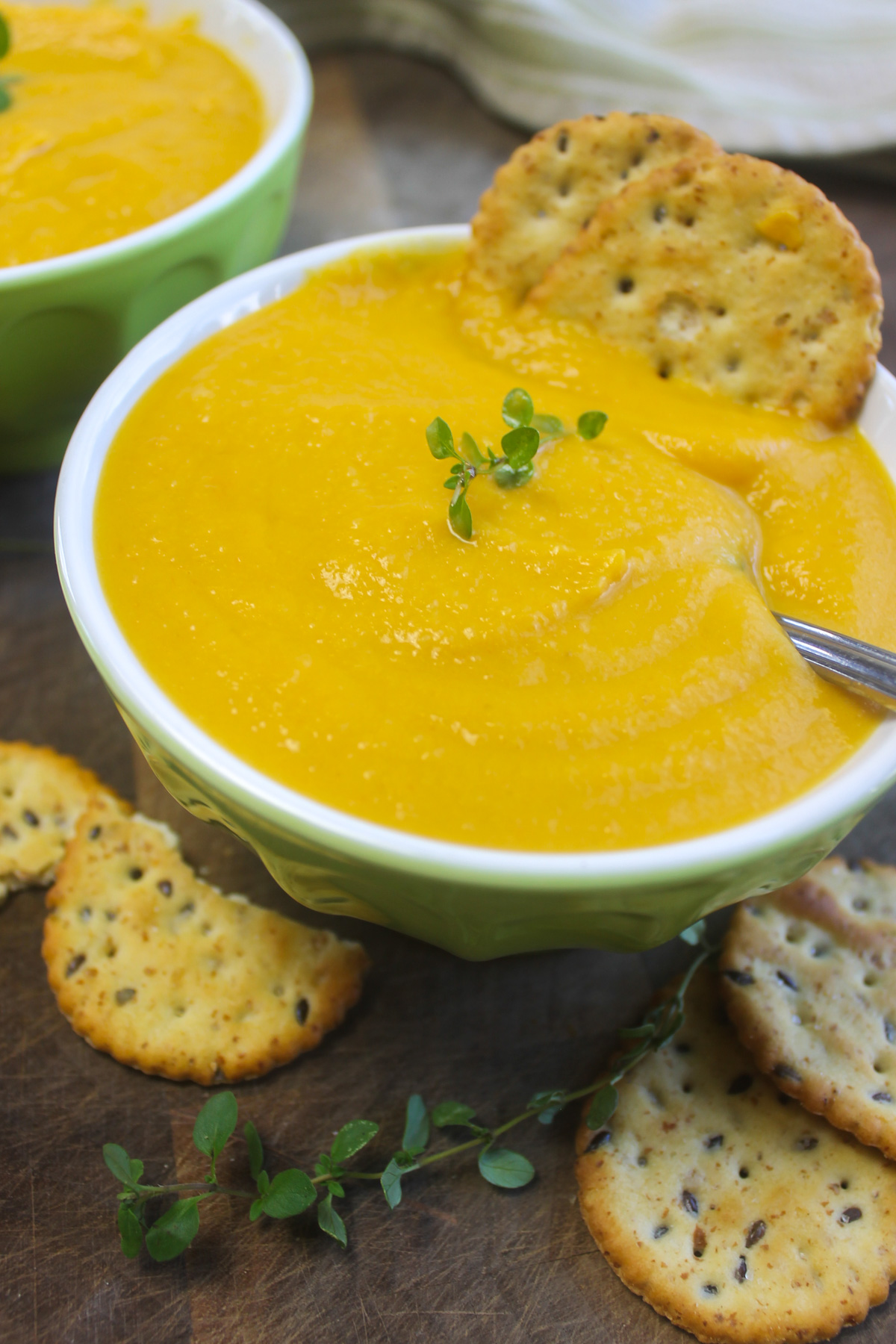
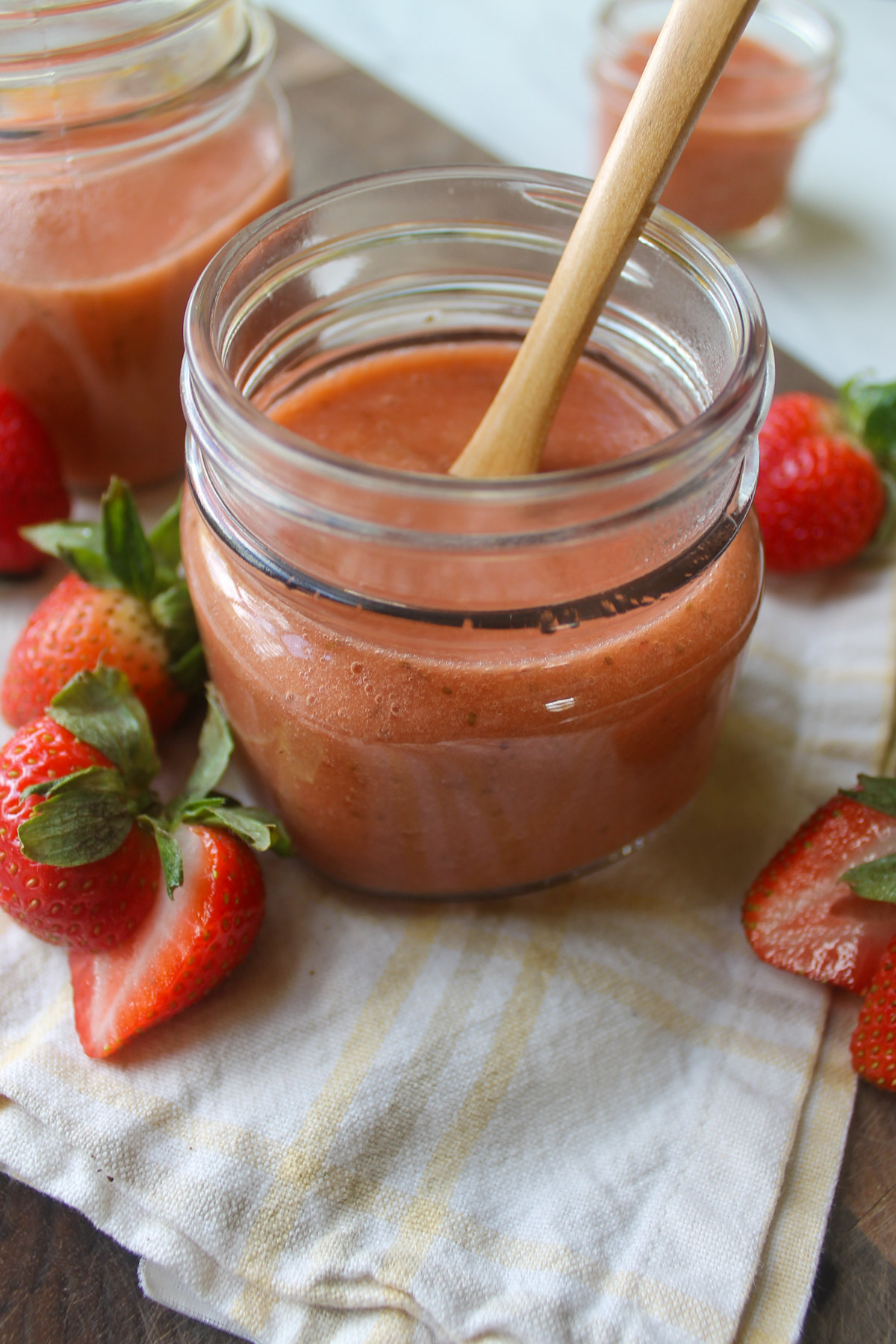
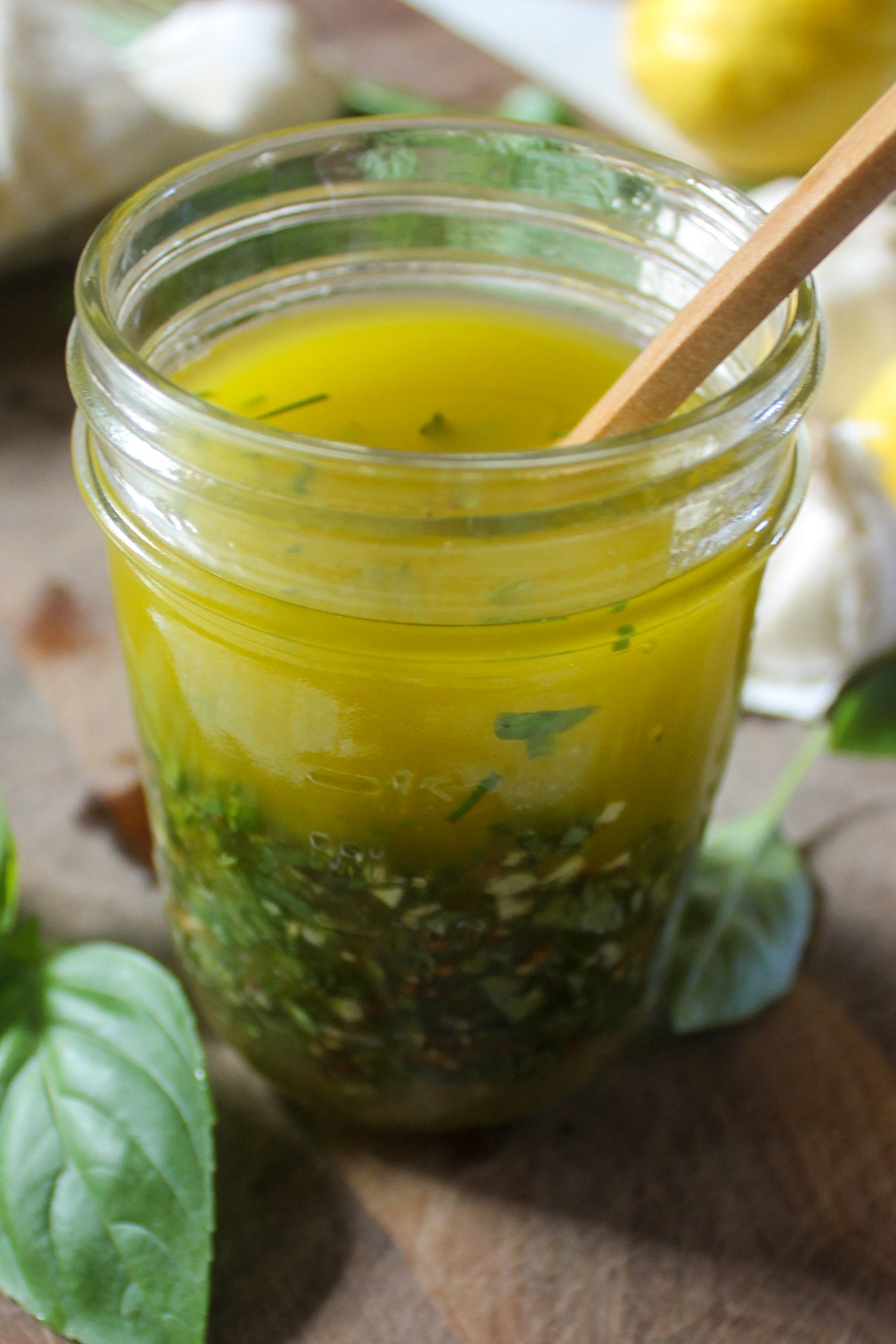
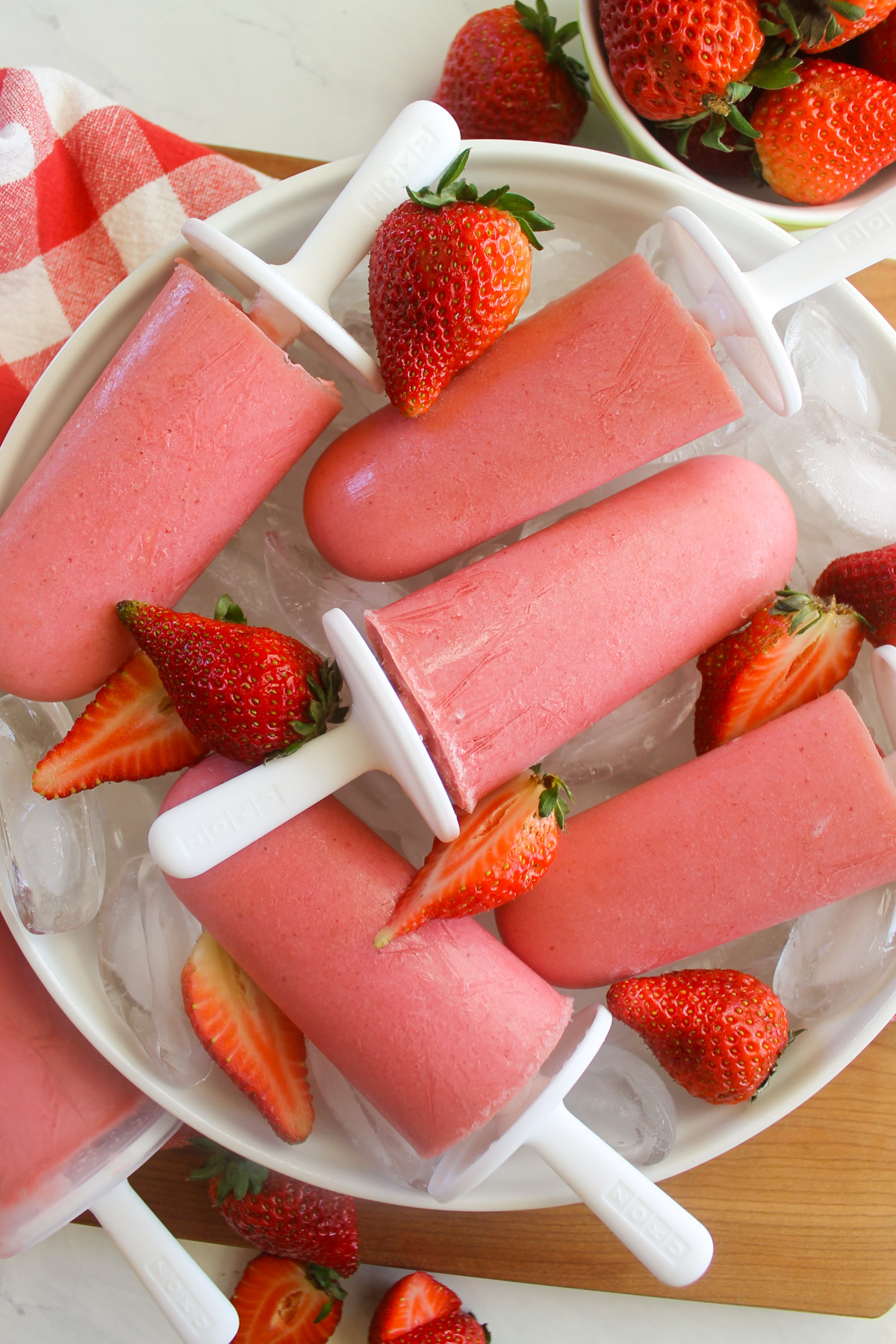
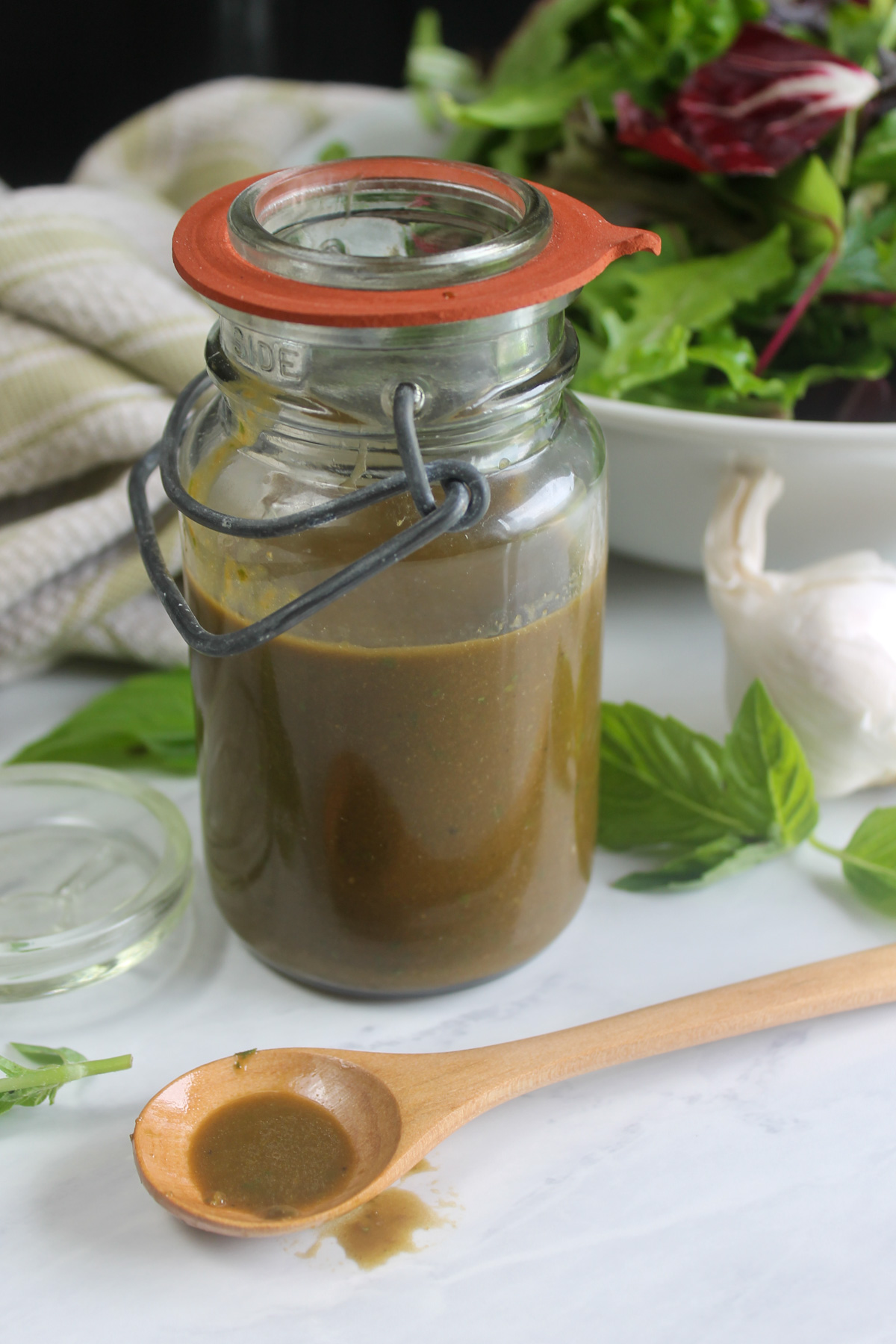
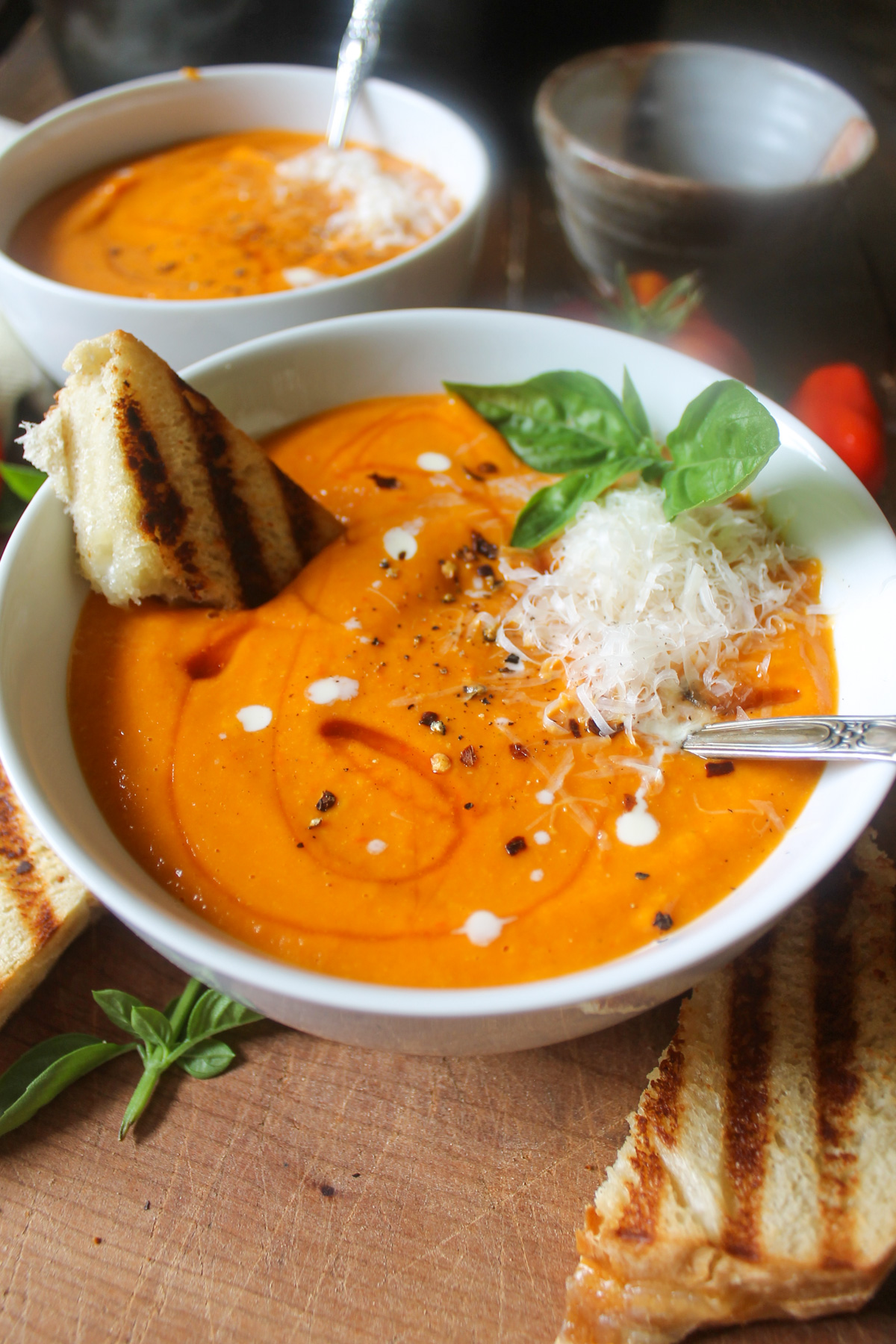
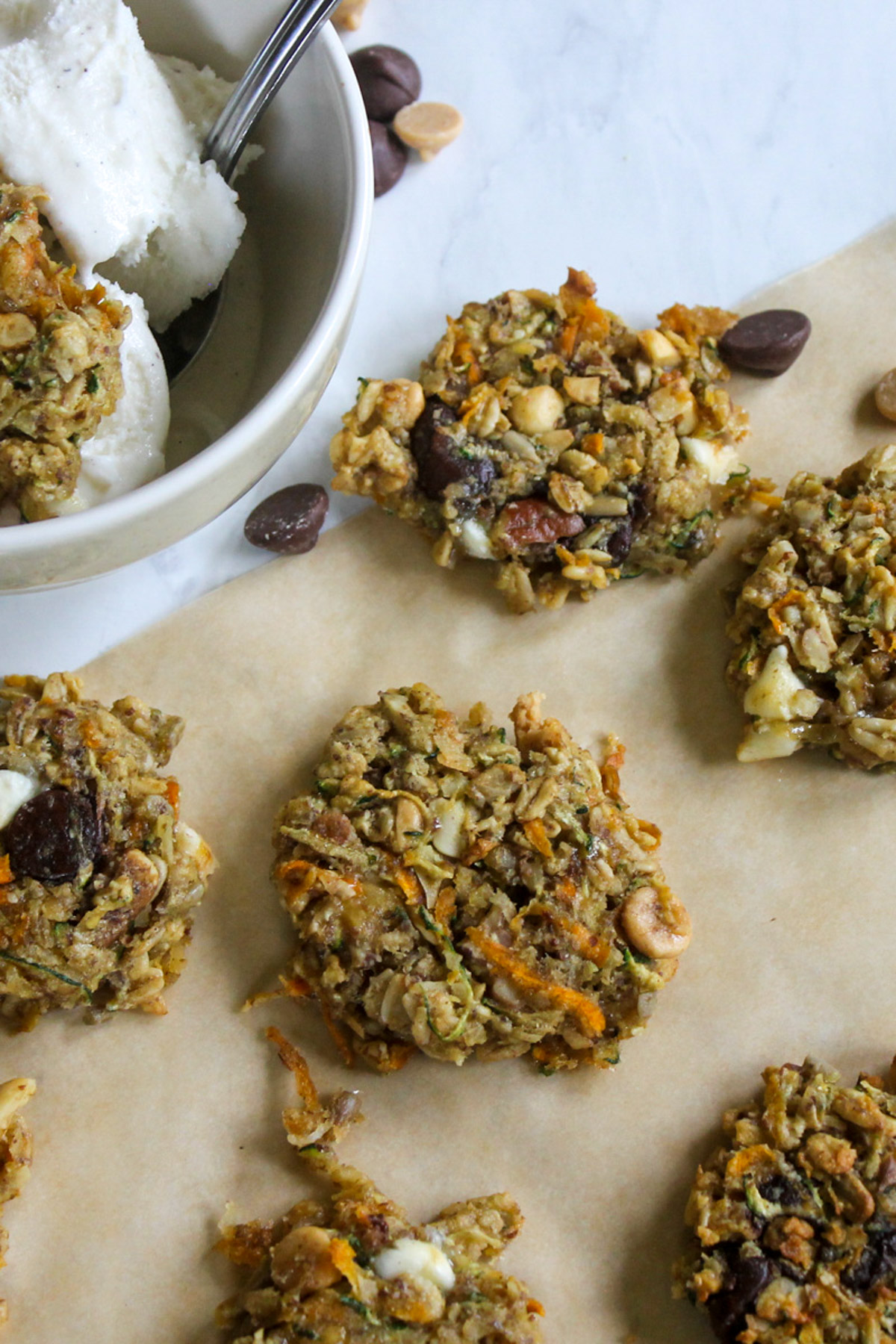
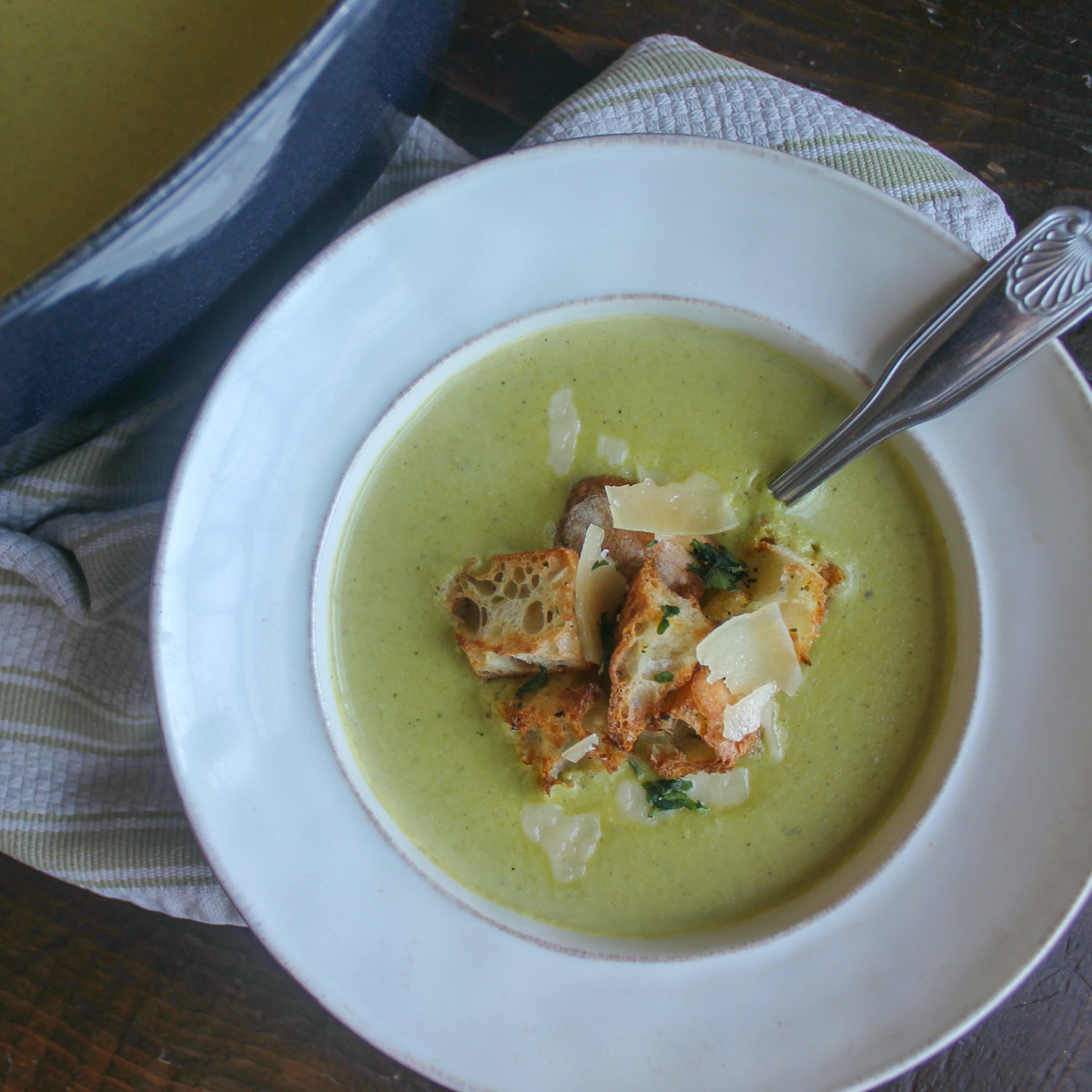
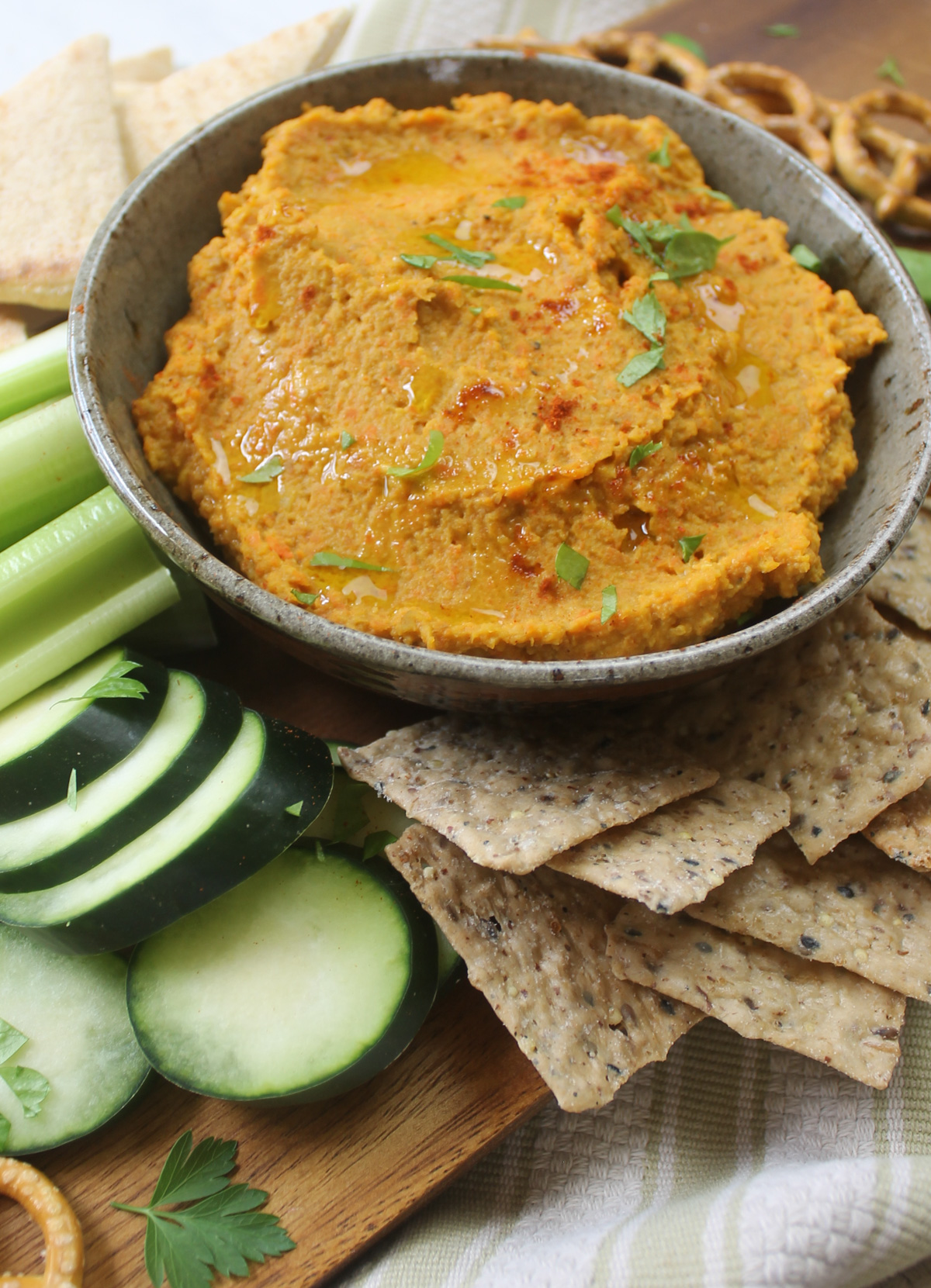
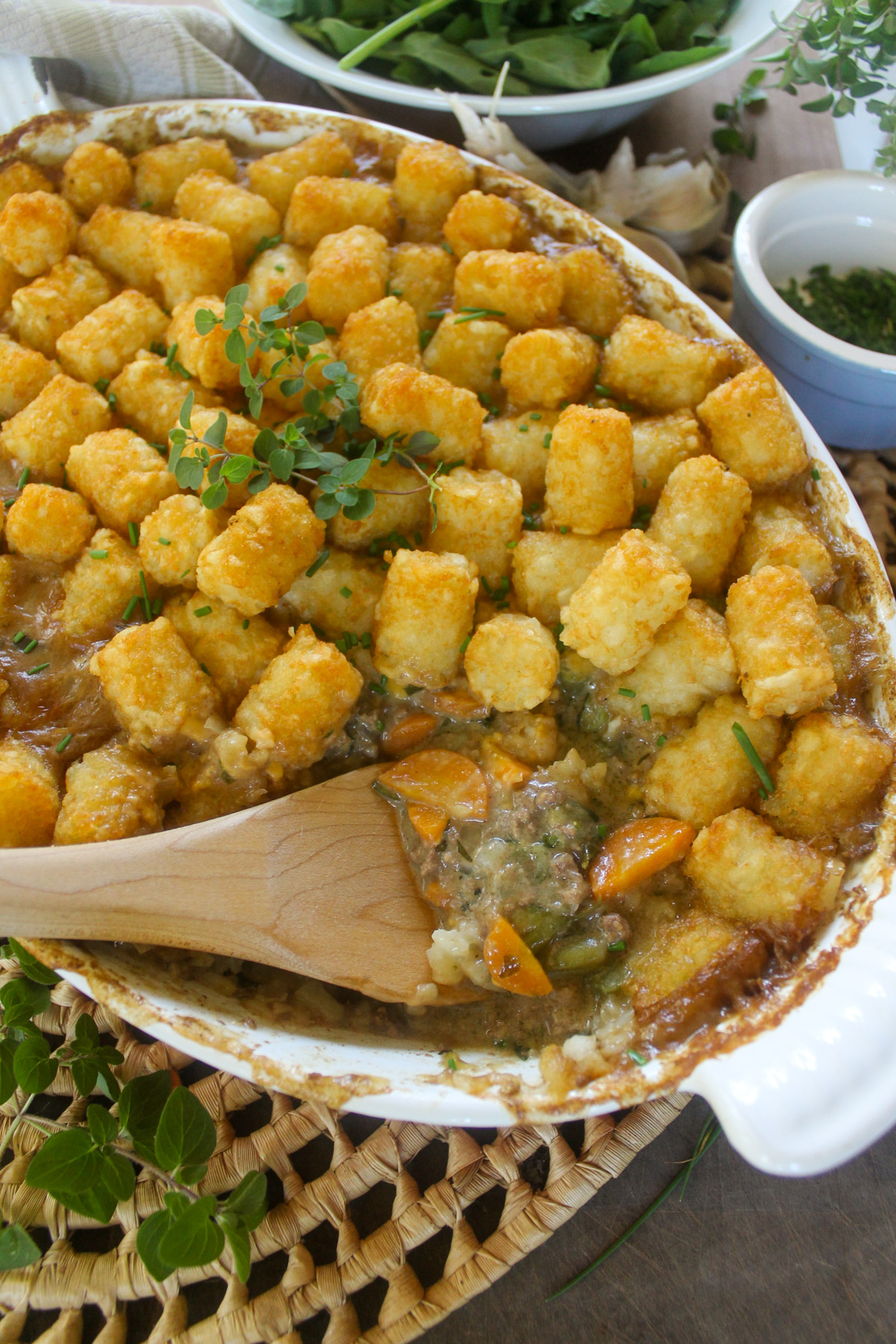
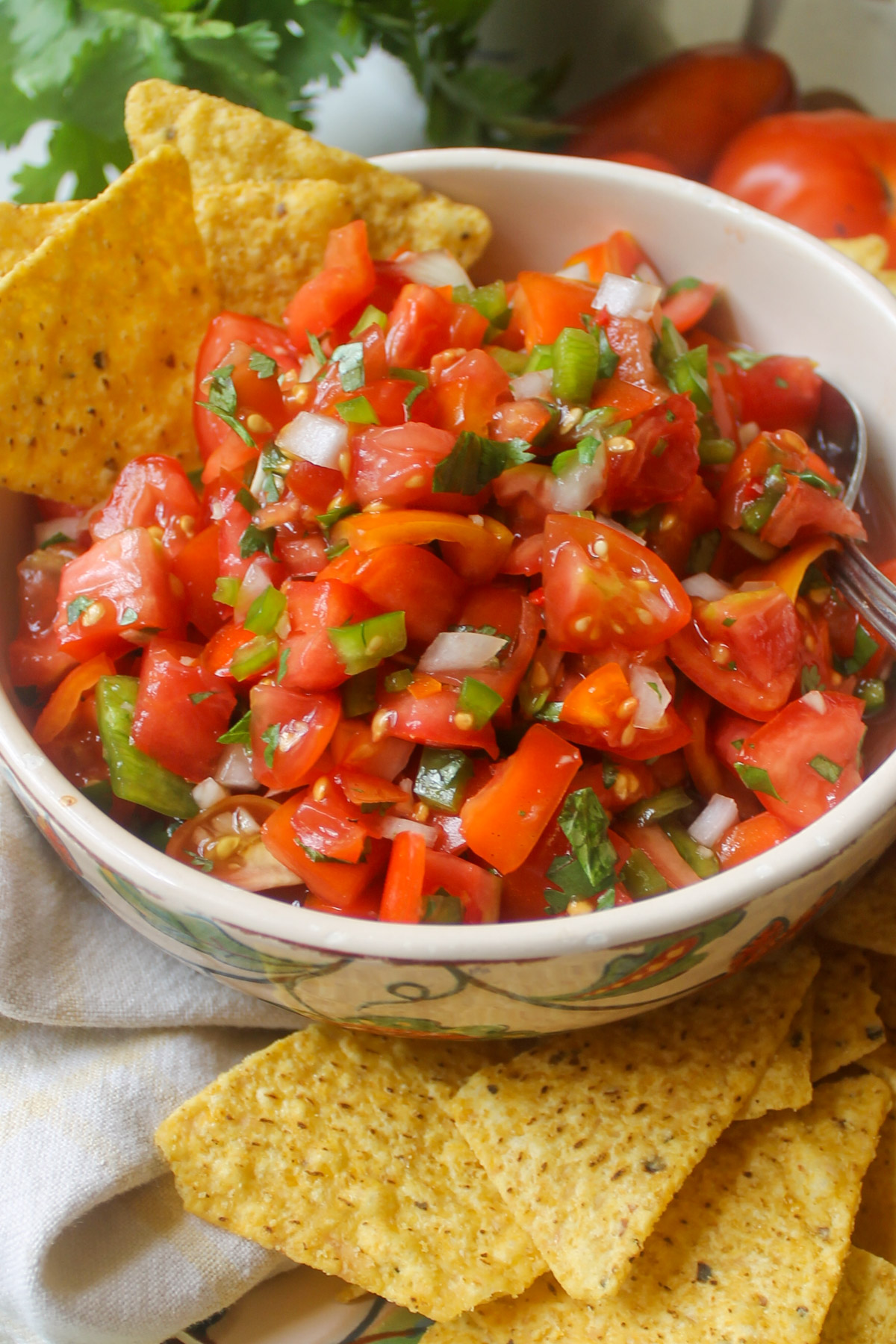
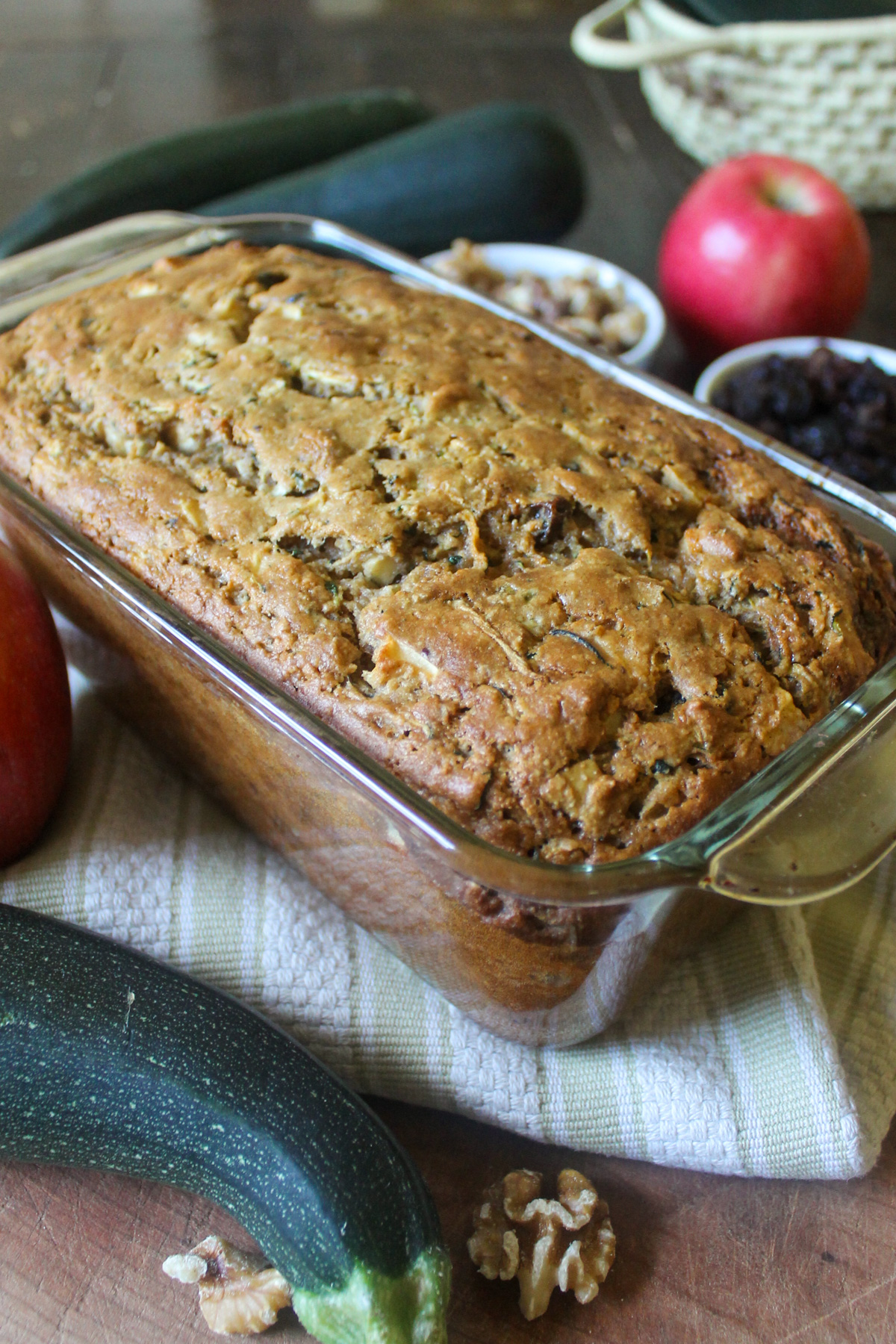
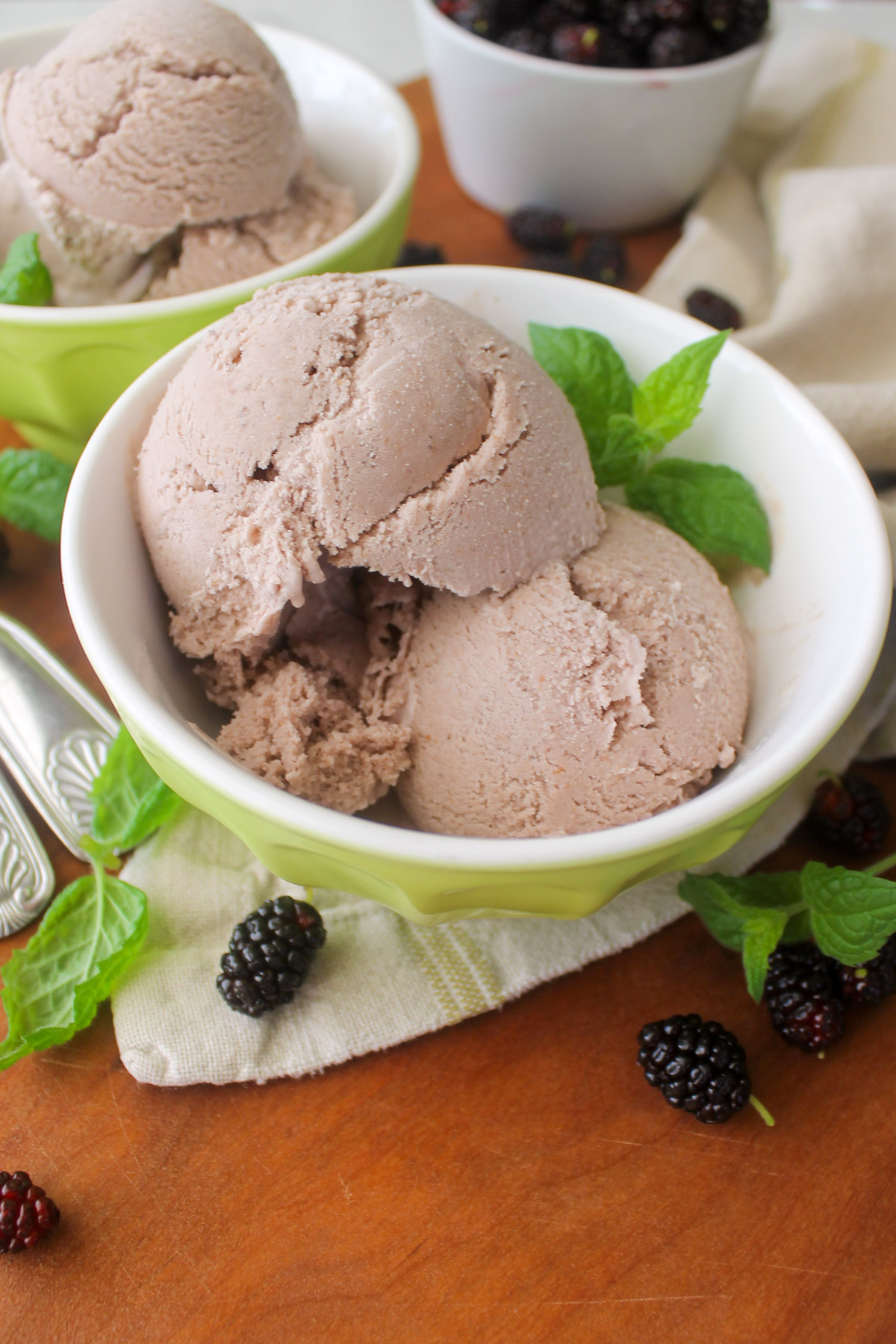
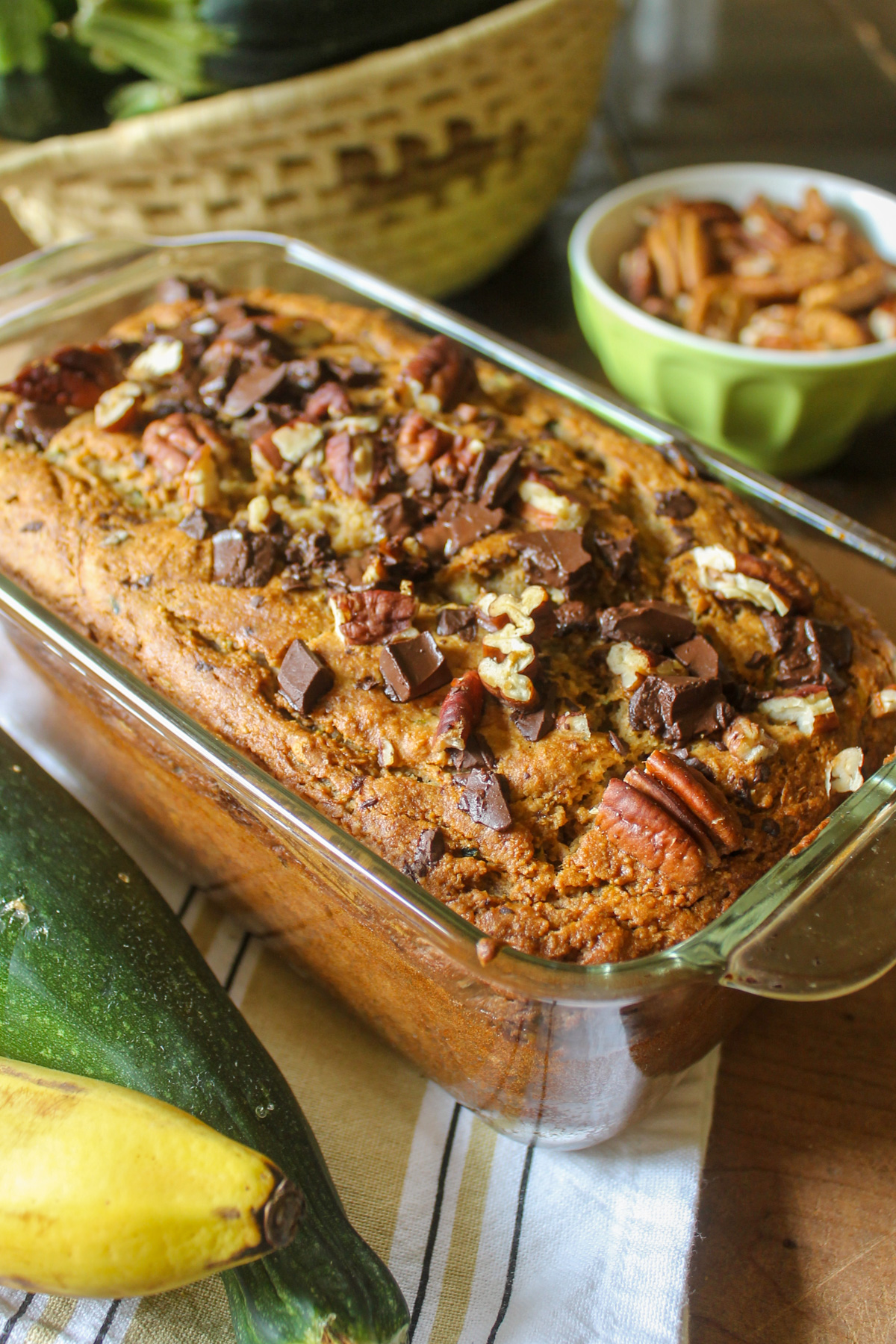
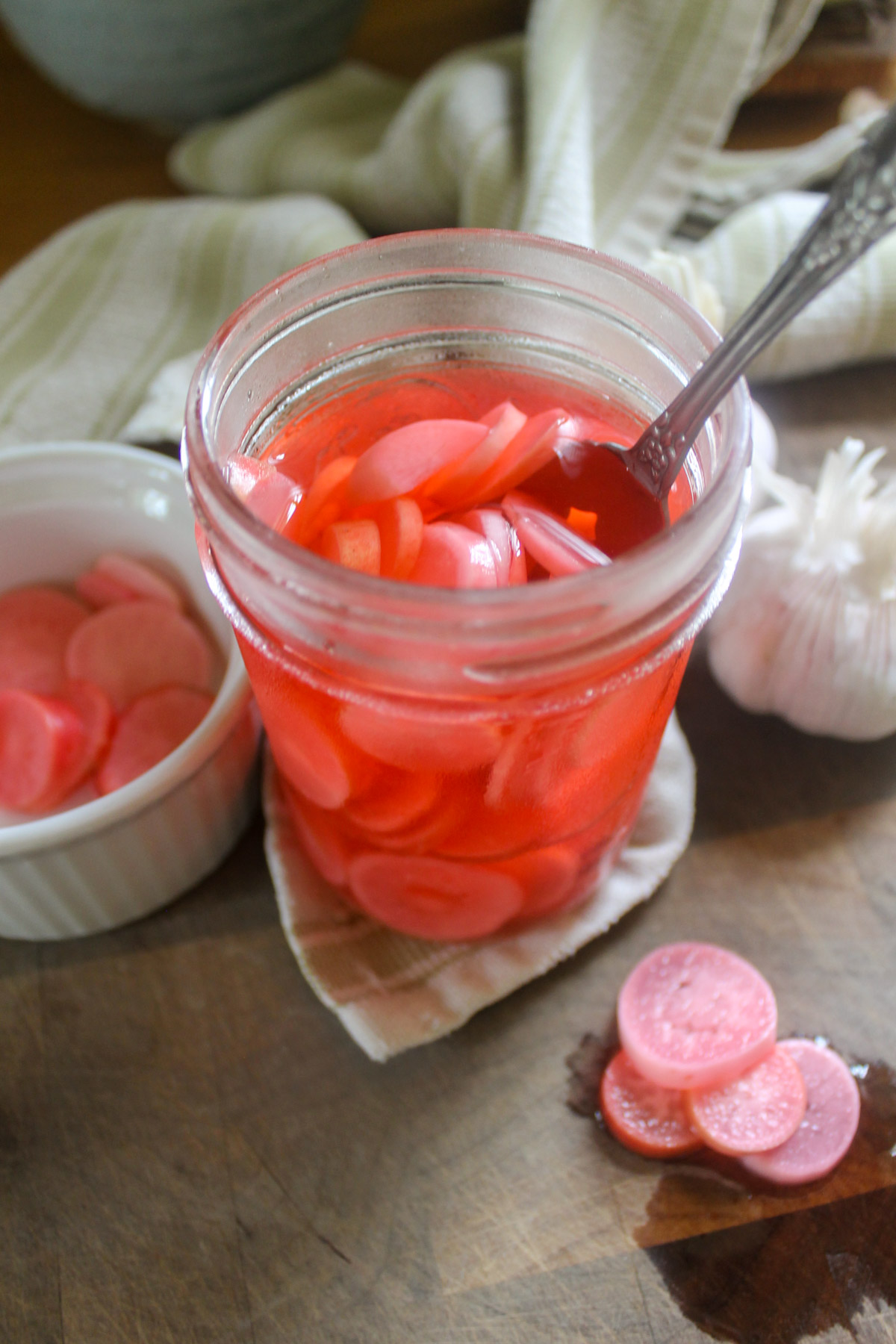
30 Ways to Preserve Your Garden Harvest without Canning
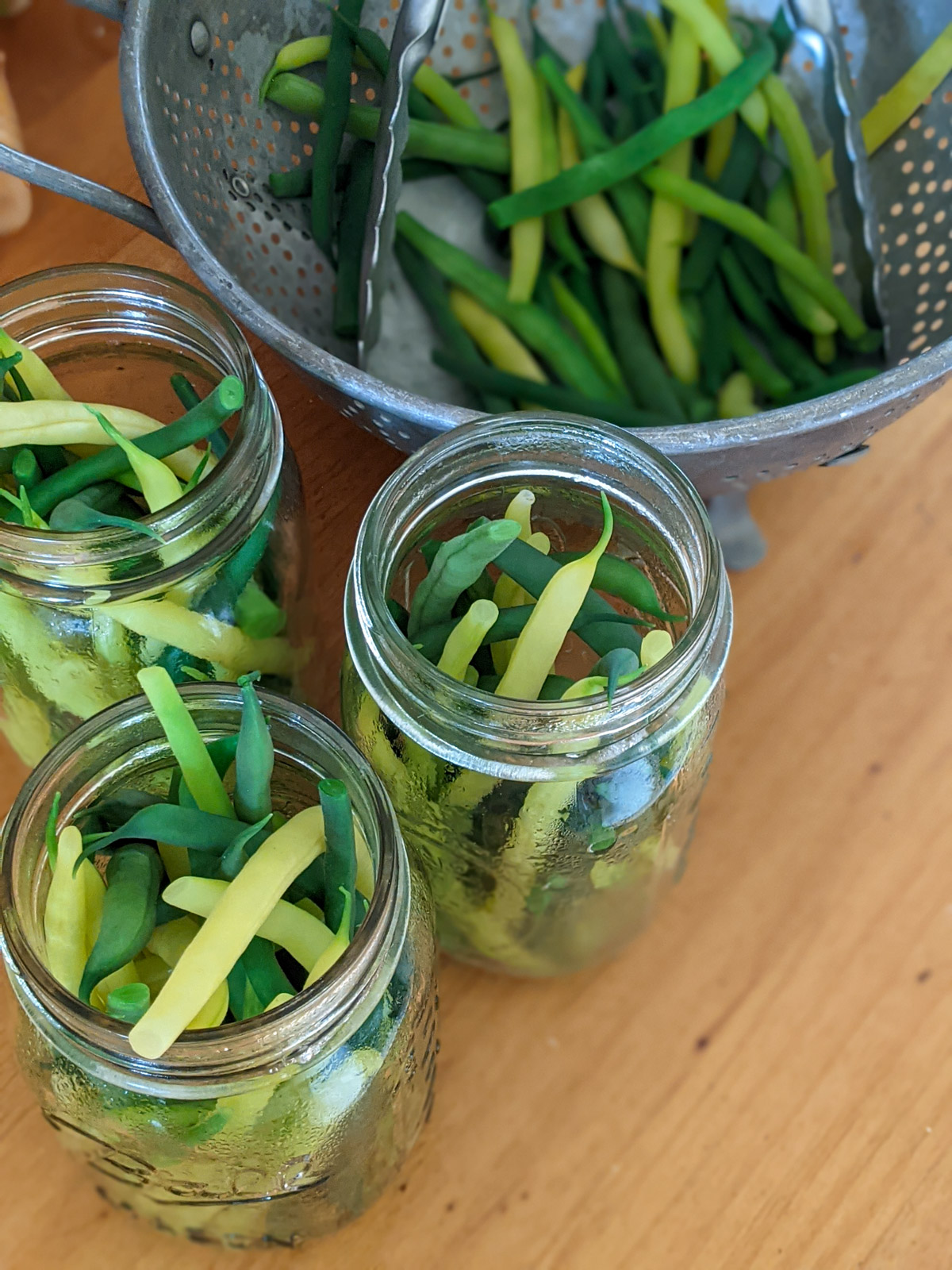
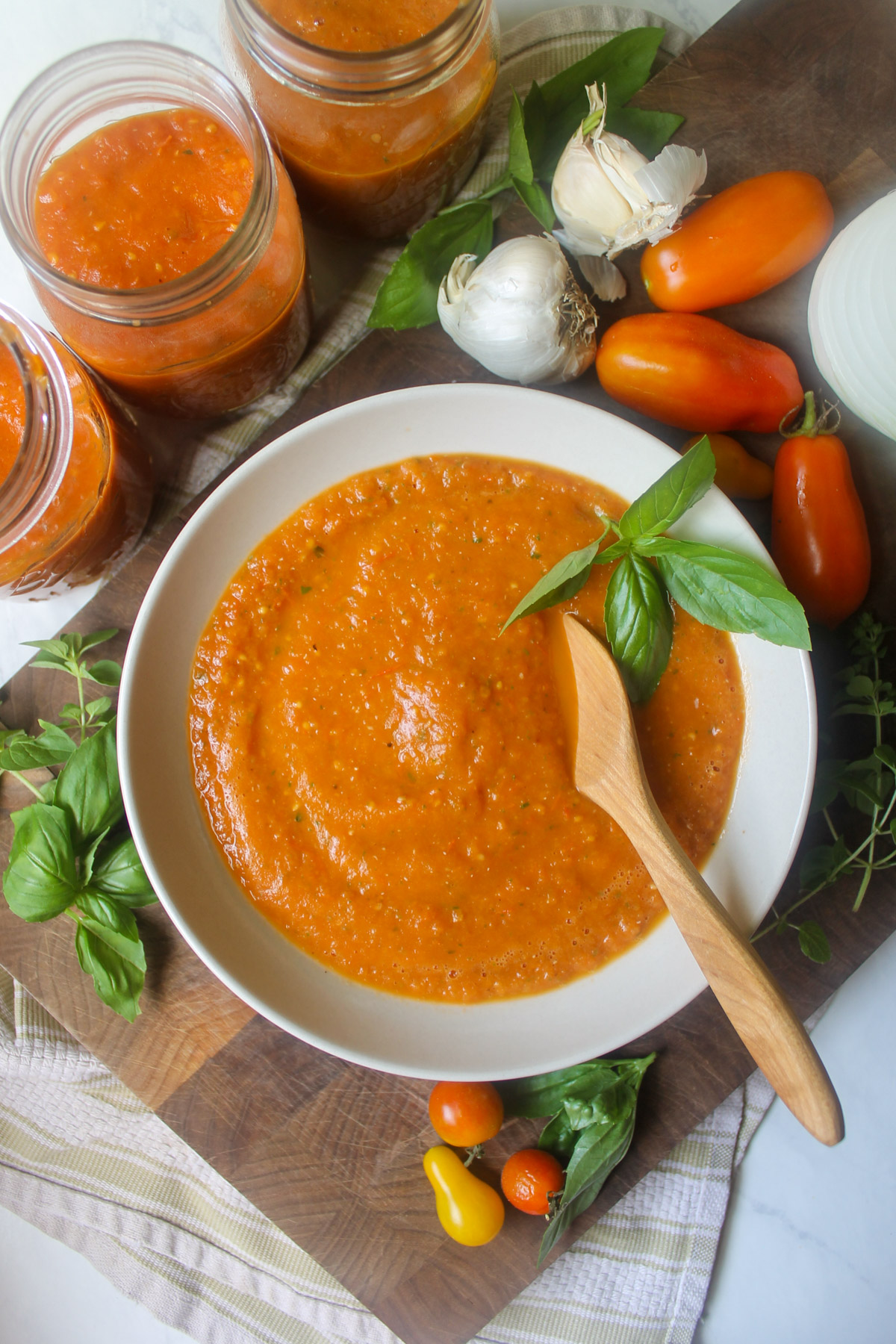
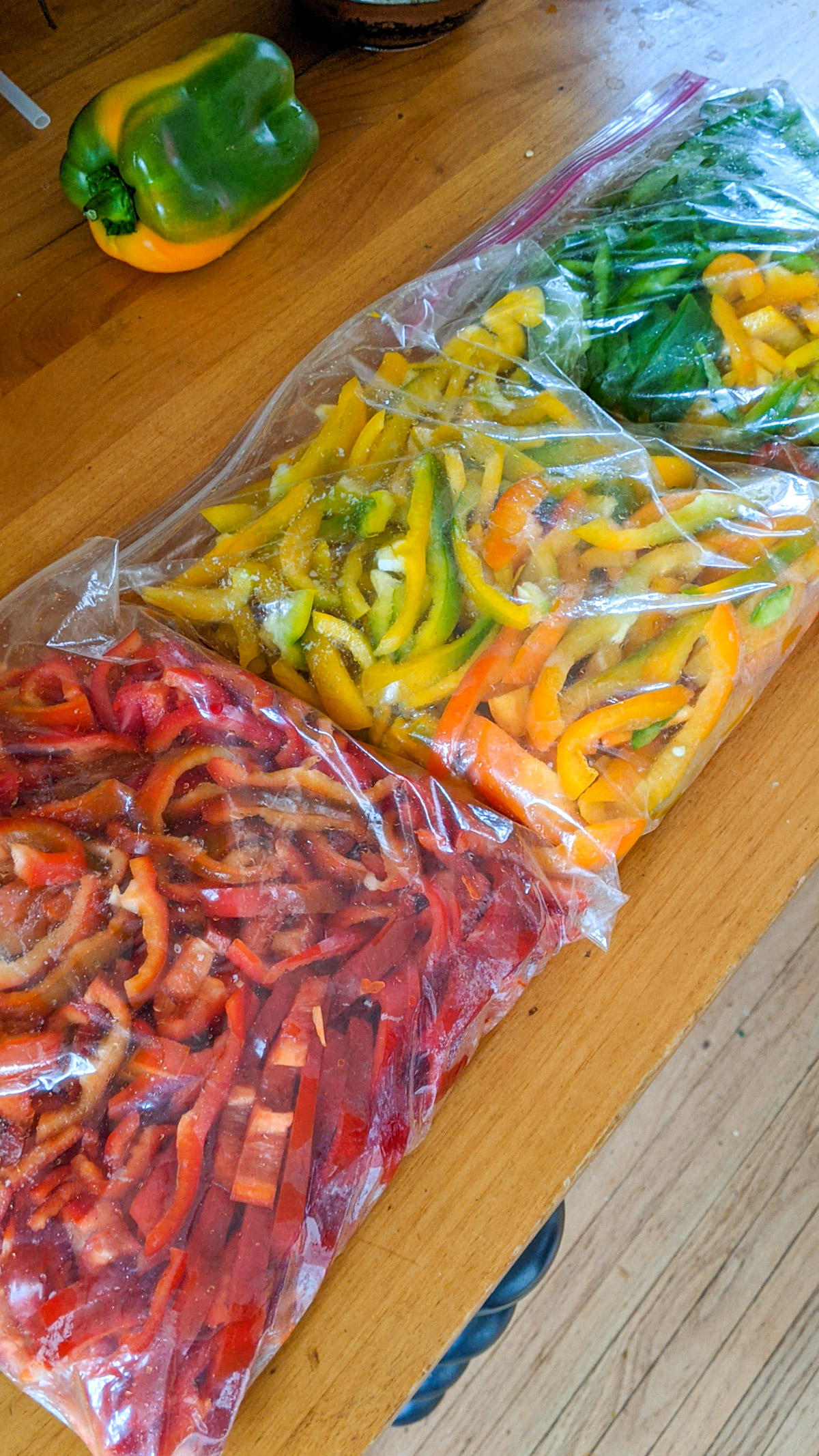
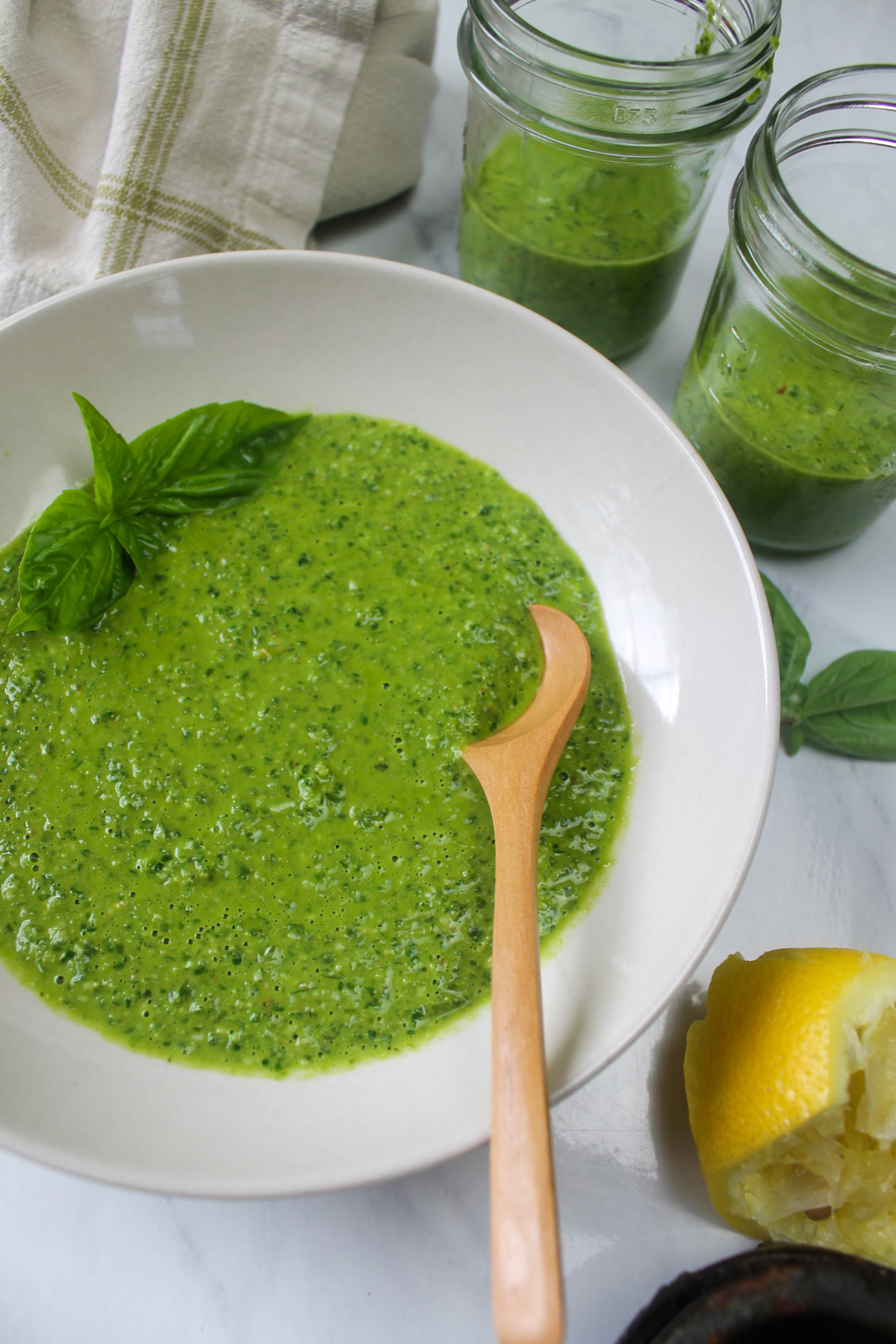



Hungry for More?
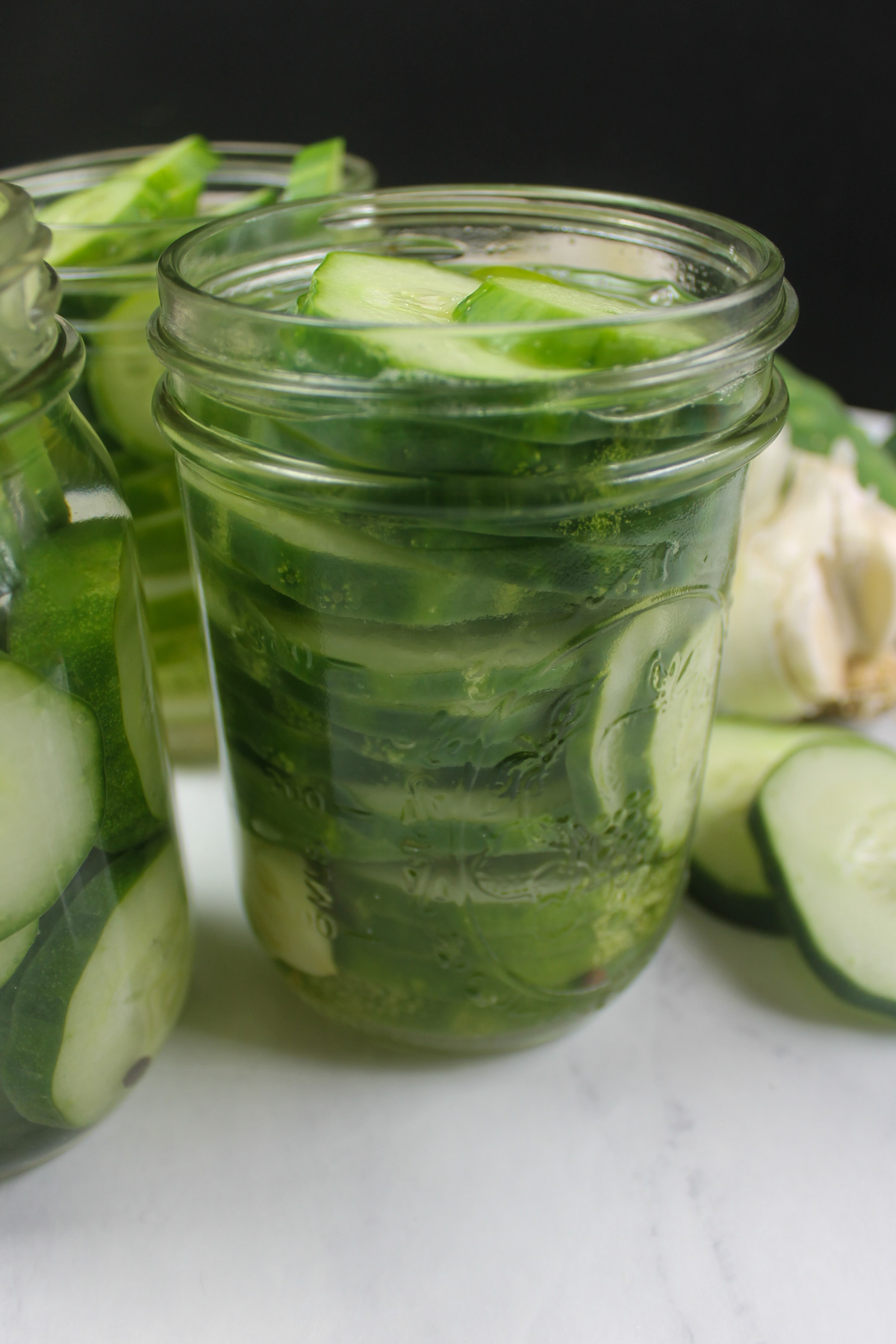
Check out these 15 Ways to Use Fresh Cucumbers and these 21 Ways to Use Garden Tomatoes!
Browse all our Garden Inspired Recipes and take a look In My Kitchen here!
Join the Sungrown Kitchen Email List for all the latest recipes delivered straight to your inbox!
Leave a Review